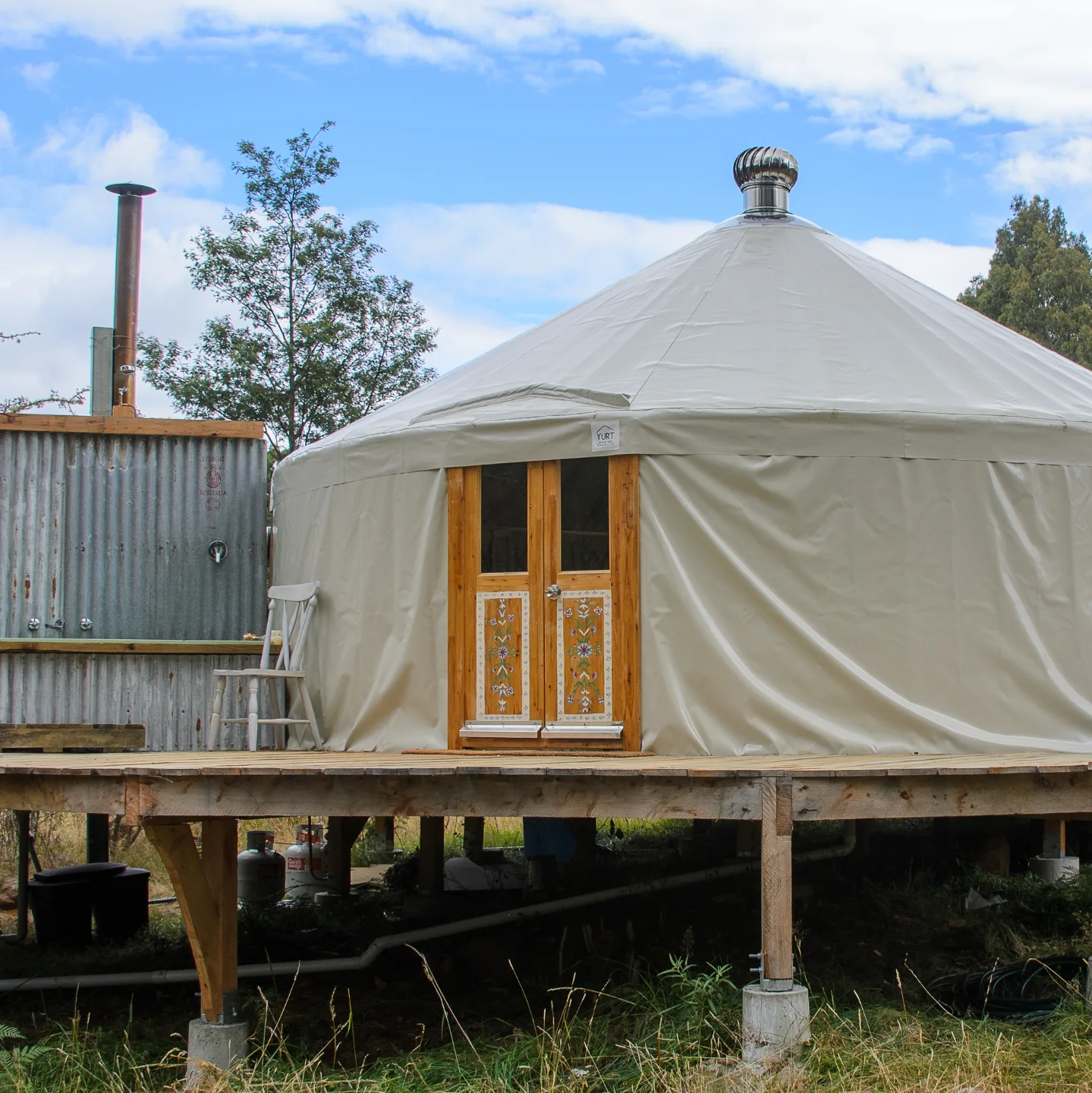
In recent years, the desire to escape the hustle and bustle of urban life has led to a growing interest in off-grid living. Among the popular structures for creating secluded retreats are yurts and domes. Both options offer unique benefits and challenges, appealing to a variety of preferences and needs. Understanding the differences between these two types of structures is essential for making an informed decision about which is best suited for your off-grid retreat.
Yurts: A Timeless Design
Yurts have been used for centuries, with origins tracing back to the nomadic cultures of Central Asia. They have stood the test of time due to their efficient design and adaptability to diverse environments.
Advantages of Yurts
- Portability: Yurts are designed to be easily assembled and disassembled, making them ideal for temporary or semi-permanent structures.
- Cost-Effective: Generally, yurts are more affordable than conventional housing, providing a cost-effective solution for off-grid living.
- Eco-Friendly: With minimal impact on the environment, yurts are often constructed from renewable materials.
- Versatility: Yurts can be customized in terms of size and interior layout to suit various needs.
For those interested in constructing a yurt, it’s important to consider factors such as climate, intended use, and budget. Read more about this topic for insights into building and maintaining yurts.
Geodesic Domes: Modern Innovation
Geodesic domes, popularized in the mid-20th century, are renowned for their architectural strength and innovative design. These structures offer a modern approach to off-grid living.
Benefits of Dome Kits
- Structural Integrity: The geodesic design offers superior strength and stability, making domes capable of withstanding harsh weather conditions.
- Energy Efficiency: The shape of a dome promotes natural air circulation and minimizes energy consumption.
- Unique Aesthetic: Domes provide a futuristic and unique aesthetic that appeals to those looking for something different.
- Spacious Interior: The open-plan design of domes maximizes interior space without the need for load-bearing walls.
When considering dome kits, it is important to evaluate the site location and local building regulations. Explore further insights here to aid in your decision-making process for dome construction.
Comparison: Yurt vs. Dome
Choosing between a yurt and a dome for an off-grid retreat involves understanding their differences and aligning them with personal preferences and practical requirements.
- Installation: Yurts are typically easier and quicker to set up compared to domes, which may require more technical expertise.
- Longevity: Domes, due to their robust design, often offer greater longevity than yurts.
- Climate Suitability: Yurts are versatile for various climates, while domes excel in areas prone to extreme weather.
- Space Utilization: Domes provide more open space, whereas yurts offer a cozy atmosphere.
Ultimately, the decision between a yurt and a dome should be based on personal preferences, environmental conditions, and long-term goals. Find additional information here to assist in making an informed choice.
Conclusion
Both yurts and domes present viable options for those seeking to build off-grid retreats. Each structure has its own set of advantages, catering to different tastes and requirements. By thoroughly evaluating the characteristics and benefits of each, individuals can select the most suitable structure for their off-grid living aspirations. Learn more in this detailed guide to further explore the possibilities of creating a sustainable and fulfilling lifestyle away from the urban sprawl.