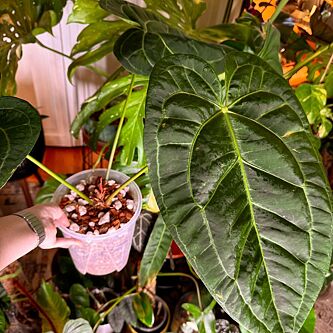
Growing indoor plants can greatly enhance the aesthetics and ambiance of any home or office space. However, their successful growth depends significantly on the quality of soil used. Indoor plants have specific requirements that differ from those grown outdoors, and choosing the right soil is crucial to ensure they thrive. The right potting soil for indoor plants not only provides essential nutrients but also ensures proper aeration and drainage. Understanding the different types of soil available and their specific features can help in selecting the most appropriate one for your indoor garden.
Understanding the Basics of Indoor Plant Soil
Choosing the appropriate soil for indoor plants involves understanding the basic components that make up an effective potting mix. The best potting soil for indoor plants will typically contain a blend of the following:
- Peat Moss: Retains moisture and provides a lightweight structure.
- Perlite or Vermiculite: Enhances aeration and helps with drainage.
- Compost: Offers organic matter and nutrients essential for plant growth.
- Sand: Improves soil drainage and prevents compaction.
Types of Potting Soil for Indoor Plants
All-Purpose Potting Mix
An all-purpose organic potting mix is suitable for a wide range of indoor plants. This type of soil is often enriched with essential nutrients and can cater to the basic needs of most houseplants. It is perfect for beginners and those looking for a convenient option.
Specialty Soils
For plants with specific requirements, specialty soils are available:
- Cactus and Succulent Soil: A well-draining mix with added sand or grit to prevent water retention.
- Aroid Soil: Designed for plants like Philodendrons and Monsteras, this aroid soil provides excellent aeration and drainage.
- Orchid Mix: Composed of bark, charcoal, and perlite, it caters to the epiphytic nature of orchids, ensuring their roots receive adequate air.
Factors to Consider When Choosing Soil
Plant Type
Different plants have varying soil needs. It’s important to research the specific requirements of your indoor plants to ensure they receive the appropriate nutrients and conditions. For example, succulents and cacti need a well-draining soil, while ferns prefer a moisture-retentive mix.
Watering Habits
Your personal watering habits also play a role. If you tend to water your plants frequently, a soil mixture with excellent drainage, such as those with added perlite or sand, is ideal to prevent root rot.
Nutrient Content
Check for soils that come pre-fertilized or enriched with compost. These options can provide a steady supply of nutrients to your plants. It’s also beneficial to opt for organic soil to avoid chemical additives.
Maintaining Your Indoor Plant Soil
Once the right soil has been chosen, maintaining its quality is essential for the continued health of your plants. Here are some tips:
- Regularly Check Moisture Levels: Overwatering or underwatering can harm your plants. Ensure the soil is adequately moist but not waterlogged.
- Replenish Nutrients: Even the best potting mixture can lose nutrients over time. Consider supplementing with organic fertilizers.
- Repot When Necessary: As plants grow, they may require repotting into a larger container with fresh soil to accommodate their expanding root system.
Understanding and choosing the right soil for indoor plants is a significant step towards ensuring the health and vitality of your indoor garden. By considering the specific needs of your plants and maintaining the quality of their soil, you can enjoy a thriving and lush indoor oasis.