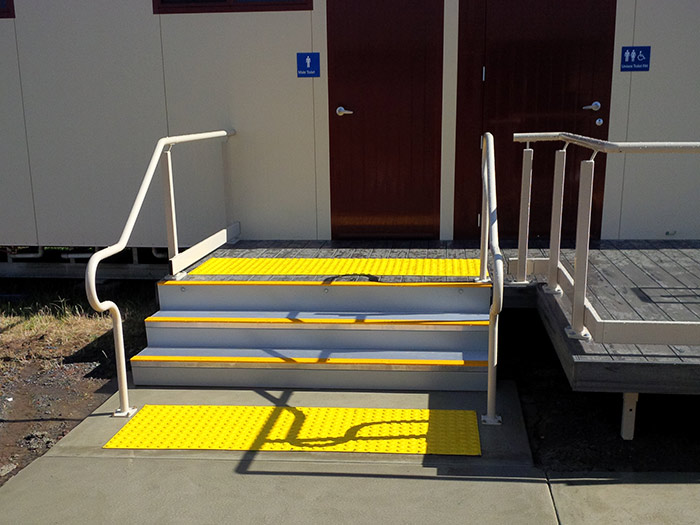
Public spaces play a crucial role in the everyday lives of individuals, serving as places of interaction, relaxation, and transit. Ensuring these spaces are accessible and safe for everyone is paramount. One key element that significantly contributes to the safety of public environments is the installation of hand rails. These structures not only provide physical support but also enhance the overall accessibility and usability of spaces, making them indispensable in urban planning and design.
The Role of Hand Rails in Public Safety
Providing Physical Support
Hand rails are essential for providing stability and support to individuals navigating public spaces. They are particularly beneficial for:
- Older adults who may have reduced balance and strength.
- Individuals with disabilities who require additional support.
- People carrying heavy loads or managing strollers and wheelchairs.
By offering a steady point of contact, hand rails help prevent falls and accidents, thereby enhancing the safety of public areas.
Facilitating Accessibility
Accessibility is a critical aspect of modern urban design. Hand rails are integral to creating inclusive environments that cater to individuals with varying mobility needs. They ensure compliance with building codes and regulations, such as the Americans with Disabilities Act (ADA), which mandates accessible design in public spaces.
Installing hand rails along ramps, stairs, and pathways ensures that individuals with mobility challenges can navigate these areas independently and safely. This not only improves the quality of life for many but also aligns with global initiatives to create more inclusive communities.
Design Considerations for Hand Rails
Material and Durability
The choice of material for hand rails is crucial in ensuring longevity and effectiveness. Common materials include:
- Stainless Steel: Known for its durability and resistance to corrosion, making it ideal for outdoor installations.
- Aluminum: Lightweight and rust-resistant, suitable for both indoor and outdoor use.
- Wood: Offers a natural aesthetic and is often used in indoor settings.
Selecting the appropriate material based on the environment and anticipated usage can significantly impact the hand rails’ lifespan and maintenance needs.
Ergonomics and Design
Ergonomic design is another critical factor in the effectiveness of hand rails. Key considerations include:
- Height and Diameter: Hand rails should be installed at a height that is comfortable for most users, with a diameter that allows for a secure grip.
- Continuity: Rails should be continuous with minimal interruptions to provide consistent support.
- Surface Finish: A non-slip surface finish is essential to prevent accidents, especially in outdoor or wet conditions.
These design elements ensure that hand rails not only provide support but also enhance user comfort and safety.
Conclusion
Hand rails are a critical component in the design and safety of public spaces. By providing physical support and enhancing accessibility, they play a vital role in promoting public health and safety. Thoughtful design and material choices further ensure their effectiveness and longevity. As urban areas continue to evolve, integrating robust and well-designed hand rail systems will be essential to creating safe and inclusive environments for all. For more information on hand rail systems, consider exploring the various options available here.