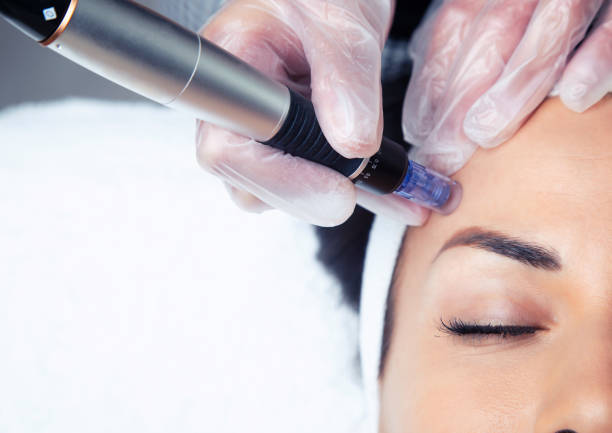
In the ever-evolving field of dermatology, clinical trials play a pivotal role in advancing skin care treatments and products. These trials are essential for evaluating the efficacy and safety of new therapeutic approaches, providing valuable insights into the mechanisms of skin diseases, and ultimately enhancing patient care. With the increasing prevalence of skin conditions such as acne, eczema, and psoriasis, the demand for innovative and effective treatments has never been higher. Dermatology clinical trials serve as the bridge between research and clinical application, ensuring that new discoveries benefit patients in real-world settings. This article explores the importance of these trials, the processes involved, and their impact on skin care advancements.
The Role of Dermatology Clinical Trials
Clinical trials in dermatology are crucial for several reasons:
- Validation of New Treatments: Before any new treatment reaches the market, it must be rigorously tested in clinical trials to confirm its safety and effectiveness.
- Understanding Skin Conditions: Trials provide a deeper understanding of skin disorders, aiding in the development of targeted therapies.
- Patient Safety: Ensuring that new dermatological treatments do not pose unforeseen health risks is paramount, and trials help identify any potential adverse effects.
Phases of Dermatology Clinical Trials
Dermatology clinical trials typically follow a structured process divided into several phases:
Phase I: Safety and Dosage
In the initial phase, a small group of participants is used to evaluate the safety of the treatment and determine appropriate dosage levels. This phase is crucial for identifying any immediate side effects.
Phase II: Efficacy and Side Effects
The second phase expands the participant pool to further assess the treatment’s effectiveness while continuing to monitor side effects. This phase helps refine the treatment protocol.
Phase III: Large-Scale Testing
Phase III trials involve a larger group of participants to confirm the treatment’s efficacy and monitor adverse reactions. The outcomes of this phase are critical for regulatory approval.
Phase IV: Post-Market Surveillance
After a treatment is approved and marketed, Phase IV trials continue to monitor its long-term effects and gather additional information on its optimal use.
Innovations in Dermatology Through Clinical Trials
Thanks to clinical trials, dermatology has seen numerous innovations that have significantly improved patient outcomes:
- Biologic Therapies: Advanced biologic treatments have been developed for conditions like psoriasis, offering targeted and effective solutions.
- Non-Invasive Techniques: Trials have led to the introduction of non-invasive procedures such as laser therapies and light-based treatments.
- Personalized Medicine: Clinical trials are paving the way for personalized dermatology treatments tailored to individual genetic profiles.
Participating in Dermatology Clinical Trials
Participation in dermatology clinical trials provides access to cutting-edge treatments and contributes to medical advancements. Those interested in participating should consider the following:
- Eligibility: Each trial has specific inclusion criteria that participants must meet.
- Commitment: Participants should be prepared for potential time commitments and follow-up visits.
- Informed Consent: Understanding the trial’s purpose, procedures, and potential risks is essential before consenting to participate.
Conclusion
Dermatology clinical trials are instrumental in enhancing skin care by fostering the development of new treatments and ensuring their safety and effectiveness. As the field of dermatology continues to evolve, these trials remain a cornerstone of scientific advancement, offering hope and improved quality of life for individuals with skin conditions. For those considering participation in a trial, it represents an opportunity to contribute to medical progress while potentially benefiting from the latest therapeutic innovations.