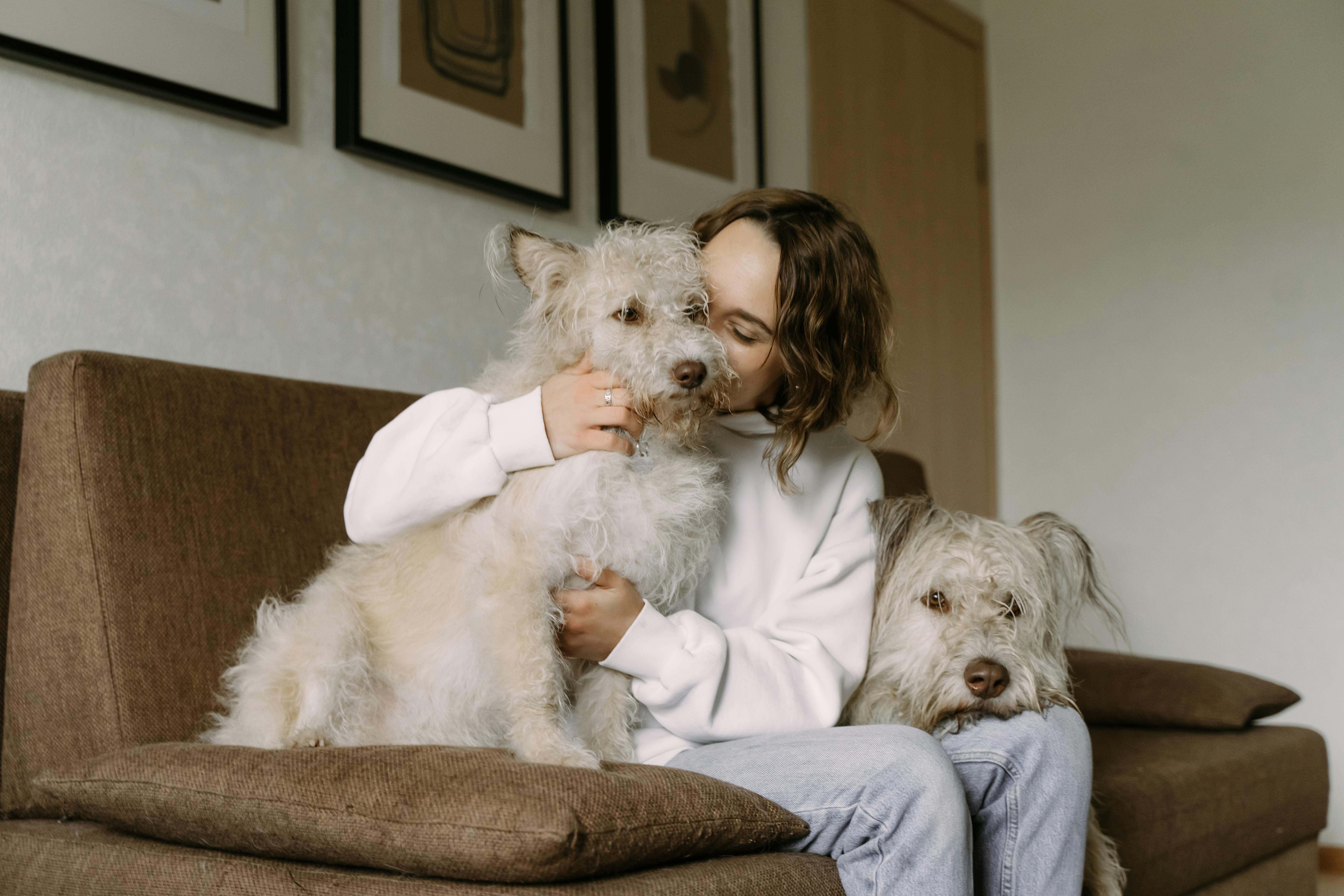
Socializing a puppy is more than a cute pastime; it lays the foundation for confidence, obedience, and lifelong well-being. Play care environments provide a controlled, stimulating setting where young dogs can practice communication, learn boundaries, and build positive relationships with both humans and fellow canines. By understanding the core principles of canine interaction and applying structured activities, owners can accelerate their puppy’s social development while minimizing common behavioral pitfalls.
The Science Behind Puppy Socialization
During the critical socialization window (approximately 3-14 weeks of age), puppies are especially receptive to new experiences. Positive exposure to varied stimuli rewires neural pathways, making future encounters less stressful. Play care centers harness this period by offering:
- Gradual introductions to different breeds, sizes, and temperaments.
- Controlled sensory experiences, sounds, textures, and movements.
- Guided play sessions that reinforce appropriate bite inhibition and body language.
Research shows that puppies who receive consistent, positive social exposure are less likely to develop fear-based aggression or separation anxiety later in life.
Key Components of an Effective Play Care Session
1. Structured Playtime
Play should be purposeful, not chaotic. Skilled facilitators design activities that encourage:
- Turn-taking and sharing of toys.
- Gentle mouthing and controlled chewing.
- Recognition of calming signals such as yawning or lip licking.
These elements teach puppies how to read and respond to social cues, reducing the likelihood of miscommunication during future interactions.
2. Supervised Group Interactions
Small, balanced groups allow each puppy to engage without feeling overwhelmed. Facilitators monitor body language closely, stepping in to redirect any mounting or overly rough play. This supervision ensures that learning remains positive and that negative patterns are corrected early.
3. Owner Involvement and Observation
While the primary focus is on the puppy, owners gain valuable insights by observing:
- How their puppy initiates play.
- Reactions to new dogs and unfamiliar environments.
- Signs of stress or excitement that may need further training.
These observations guide future at-home practice and help owners tailor reinforcement strategies.
Practical Tips for Maximizing Social Skills
Integrating the lessons from play care into everyday life reinforces learning. Below are actionable steps for owners:
- Schedule frequent, short outings: Regular trips to dog-friendly parks expose puppies to diverse sights and sounds without causing overstimulation.
- Use positive reinforcement: Reward calm greetings with treats and praise, reinforcing desirable behavior.
- Introduce new experiences gradually: Start with quiet environments and slowly increase complexity as confidence grows.
- Maintain a consistent routine: Predictable schedules help puppies anticipate social events, reducing anxiety.
For a deeper dive into systematic socialization techniques, Discover expert strategies here.
Common Challenges and How to Overcome Them
Even in well-managed play care settings, puppies may encounter obstacles. Recognizing and addressing these early prevents long-term issues.
Fear of New Dogs
If a puppy appears hesitant, avoid forcing interaction. Instead:
- Increase distance from the unfamiliar dog.
- Use high-value treats to create positive associations.
- Gradually reduce the gap over several sessions.
Overexcitement and Rough Play
Excessive bouncing or nipping can be curbed by:
- Implementing brief “time-out” pauses.
- Redirecting energy toward puzzle toys.
- Teaching a reliable “leave it” cue.
Guidance on behavior modification techniques can be found by Learn about our tailored solutions.
Integrating Play Care Insights Into Home Training
Transferring the social skills learned in a group setting to the home environment ensures consistency. Consider the following routine:
- Morning Review: Briefly rehearse greetings with a family member or a calm dog.
- Midday Play: Offer a short, structured play session using favorite toys.
- Evening Cool-Down: Practice relaxation cues such as “settle” on a mat.
Regular practice solidifies the puppy’s ability to self-regulate, a cornerstone of good social behavior.
Resources for Ongoing Development
Continued education is essential for both puppy and owner. The following resources provide advanced guidance:
- Explore advanced guides and tips. – In-depth articles on canine body language and training methodologies.
- Find out more about this approach. – Case studies illustrating successful socialization pathways.
By leveraging these tools, owners can stay informed about the latest best practices and adapt their strategies as their puppy matures.
Conclusion: A Lifelong Investment in Confidence
Investing time in structured play care not only equips puppies with essential social skills but also fosters a bond built on trust and understanding. Through intentional exposure, guided interaction, and consistent reinforcement, a puppy can transition from tentative newcomer to a confident companion ready to explore the world. Embracing these principles today lays the groundwork for a well-adjusted adult dog, ensuring that every future encounter, whether at the park, with guests, or during everyday walks, is met with calm curiosity rather than fear.