Duck hunting is a time-honored tradition that combines skill, patience, and a deep appreciation for the outdoors. Whether you’re a seasoned hunter or a novice looking to get started, understanding the essentials of duck hunting can significantly enhance your experience. This article delves into essential tips and strategies to ensure a successful duck hunting adventure.
Understanding Duck Behavior
To become a successful duck hunter, it is crucial to understand duck behavior and their natural habitat. Ducks are migratory birds, and their movement patterns are influenced by several factors, including weather conditions, food availability, and breeding cycles.
- Study migration patterns to predict where ducks will be during different times of the year.
- Learn to identify various duck species, as each may require different hunting techniques.
- Observe feeding habits and preferred environments to select the best hunting locations.
Explore advanced guides and tips to enhance your understanding of duck behavior and improve your hunting strategies.
Choosing the Right Equipment
Having the right equipment is vital for a successful duck hunting trip. From firearms to clothing, each piece of gear plays a significant role in ensuring both effectiveness and safety.
Firearms and Ammunition
The choice of firearms and ammunition is critical. Most hunters prefer a 12-gauge shotgun for its balance of power and versatility. Selecting the right ammunition, such as steel shot, is also essential for compliance with regulations protecting waterfowl and their habitats.
Clothing and Camouflage
Proper clothing is necessary to stay comfortable and concealed. Waterproof and insulated clothing will keep you warm and dry, while effective camouflage will help you blend into the environment.
- Invest in high-quality waterproof gear to withstand wet conditions.
- Choose camouflage patterns that match the hunting environment.
- Consider using face masks and gloves to remain undetected by sharp-eyed ducks.
Learn about our tailored solutions for choosing the right hunting gear and equipment.
Mastering Duck Calls
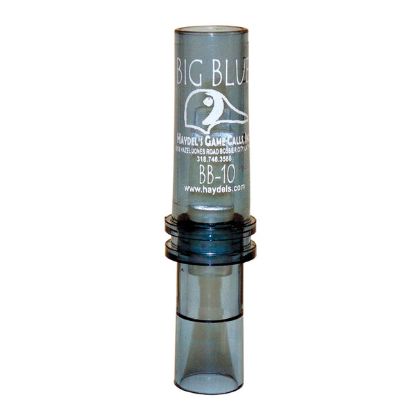
Duck calls are an art form in themselves, requiring practice and precision. Mastering the use of duck calls can greatly enhance your ability to attract ducks to your location.
- Learn different types of duck calls, such as feeding calls, greeting calls, and hail calls.
- Practice regularly to perfect the tone and rhythm of each call.
- Use calls sparingly and adjust your technique based on the ducks’ responses.
For a comprehensive guide on duck calls and their usage, discover expert strategies here.
Setting Up Decoys
Decoys are an essential component of duck hunting, as they can effectively lure ducks into your hunting area. The key lies in setting them up correctly.
- Use a mix of decoy types to create a realistic setup.
- Position decoys in a U- or V-shaped pattern to simulate a natural landing zone.
- Adjust the decoy spread based on wind conditions and duck behavior.
Find out more about this approach by visiting this resource on setting up decoys effectively.
Safety and Ethics
Safety and ethical practices should always be at the forefront of any hunting activity. Responsible hunters respect wildlife and follow all regulations to ensure sustainable hunting practices.
- Always follow local hunting laws and regulations.
- Practice firearm safety at all times.
- Respect private property and obtain necessary permissions before hunting.
- Prioritize clean and quick kills to minimize suffering.
By adhering to these principles, hunters contribute to the preservation of duck populations and the ecosystems they inhabit. Explore advanced guides and tips on ethical hunting practices.
Armed with these essential tips, hunters can embark on their duck hunting expeditions with confidence and a deeper understanding of the sport. Whether adapting to wildlife behavior, choosing the right equipment, or mastering techniques like duck calls and decoy setups, each aspect plays a crucial role in achieving a successful and rewarding hunt.