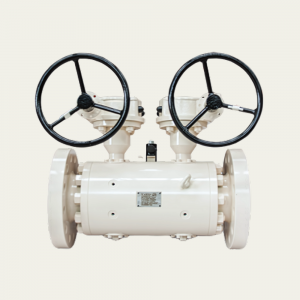
In the world of fluid control systems, motorized ball valves have become a critical component known for their efficiency and reliability. These valves offer precise control over the flow of various media, making them indispensable across numerous industries, including water treatment, oil and gas, and chemical processing. Understanding the mechanics, benefits, and applications of motorized ball valves can help in selecting the right valve for specific needs and optimizing system performance.
What Are Motorized Ball Valves?
Motorized ball valves are automated valves that utilize an electric actuator to control the flow of liquids or gases. The actuator rotates the ball within the valve body, which in turn opens or closes the valve. This automation allows for remote control and integration into sophisticated control systems, enhancing operational efficiency.
Key Features
- Precision Control: Motorized ball valves provide precise regulation of flow, essential for maintaining system stability.
- Durability: Constructed from materials such as stainless steel or brass, these valves are designed to withstand harsh environments.
- Automation: Equipped with electric actuators, they enable automation, reducing the need for manual intervention.
- Versatility: Suitable for a wide range of applications, from simple water systems to complex industrial processes.
Benefits of Using Motorized Ball Valves
Motorized ball valves offer numerous advantages that make them a preferred choice in many applications:
- Enhanced Efficiency: Automation reduces human error and increases the speed of operations, leading to higher efficiency.
- Cost Savings: While the initial investment may be higher, the reduction in labor costs and increased system longevity result in long-term savings. Discover expert strategies here.
- Safety: Remote operation minimizes the need for personnel to interact with potentially hazardous systems.
- Compatibility: They can be integrated with various control systems, allowing for seamless operation and monitoring.
Applications of Motorized Ball Valves
The versatility of motorized ball valves makes them suitable for diverse applications:
Industrial Processes
In industries such as oil and gas or chemical processing, precise control over fluid flow is crucial. Motorized ball valves ensure that operations run smoothly and safely. Learn about our tailored solutions.
Water Treatment
These valves play a vital role in water treatment facilities, where they manage the flow of water and chemicals with high accuracy, ensuring the delivery of clean and safe water.
HVAC Systems
In heating, ventilation, and air conditioning systems, motorized ball valves regulate the flow of water and refrigerants, optimizing system performance and energy efficiency. Explore advanced guides and tips.
Choosing the Right Motorized Ball Valve
Selecting the appropriate motorized ball valve requires careful consideration of several factors:
- Material Compatibility: Ensure the valve material is compatible with the media it will control to prevent corrosion and wear.
- Pressure and Temperature Ratings: Verify that the valve can withstand the system’s pressure and temperature conditions.
- Actuator Type: Choose an actuator that meets the control requirements, whether it be on/off or modulating control.
For more detailed guidance on valve selection, find out more about this approach.
Conclusion
Motorized ball valves are a vital component in modern fluid control systems, offering precision, efficiency, and safety. By understanding their features, benefits, and applications, businesses can make informed decisions that enhance their operational capabilities. Continuous advancements in valve technology ensure that these components will remain at the forefront of industrial innovation. For those seeking to optimize their systems, investing in high-quality motorized ball valves can yield significant dividends in performance and cost-effectiveness.