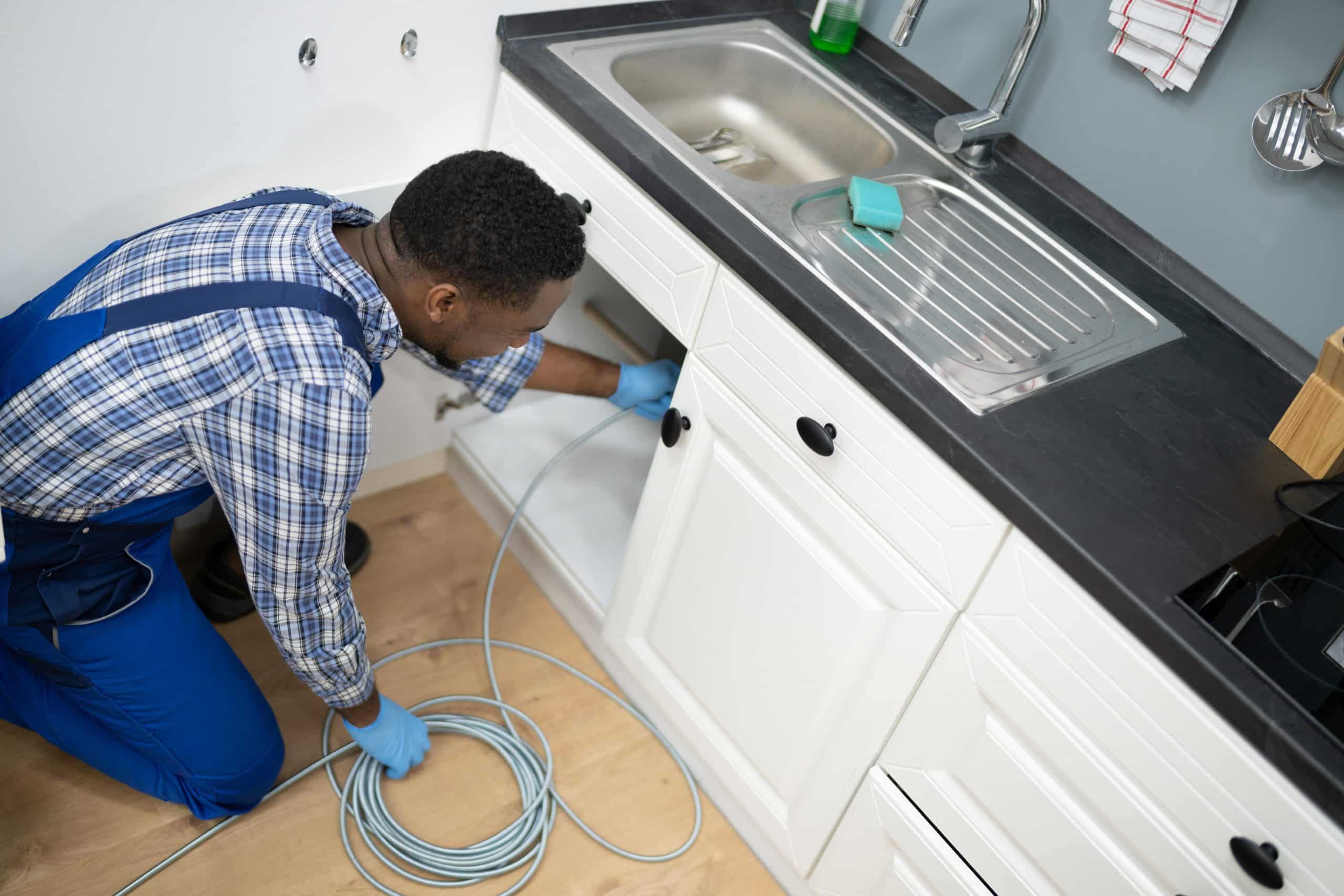
Clogged drains are a common yet easily preventable issue that can cause significant disruptions in daily household activities. From kitchen sinks to bathroom drains, understanding how to maintain clear and functional pipes is essential for every homeowner. Preventative measures not only save time and reduce stress but can also help avoid costly repairs and maintenance. This article provides expert advice on preventing clogged drains, ensuring that water flows smoothly through your home?s plumbing system.
Understanding the Causes of Clogged Drains
Before implementing preventative measures, it’s crucial to understand what causes drains to clog. Common culprits include:
- Hair: Often found in bathroom drains, hair can accumulate and form blockages.
- Grease: Kitchen sinks are prone to clogs from grease and oil buildup, which solidify in pipes.
- Foreign Objects: Small items like soap, food particles, or even jewelry can obstruct pipes.
- Mineral Buildup: Hard water contains minerals that can accumulate and restrict water flow.
Preventative Measures for Clear Drains
1. Regular Cleaning
Routine maintenance is key to preventing clogs. Consider the following tips:
- Use a drain guard or strainer to catch hair and large debris.
- Flush drains with hot water regularly to dissolve grease and soap scum.
- Clean drain stoppers and traps periodically to remove accumulated gunk.
2. Proper Disposal Practices
Adopt proper disposal habits to minimize the risk of clogs:
- Avoid pouring grease or oil down the drain; instead, dispose of them in a container.
- Scrape food scraps into the trash rather than rinsing them down the sink.
- Dispose of bathroom waste, such as cotton balls and wipes, in the trash instead of flushing them.
3. Use of Drain Cleaners and Enzymes
Sometimes, chemical solutions can assist in maintaining clear pipes:
- Occasionally use enzyme-based cleaners that break down organic materials without damaging pipes.
- Avoid harsh chemical drain cleaners as they can corrode pipes over time.
When to Seek Professional Help
Despite best efforts, some clogs require professional attention. It’s advisable to contact a clogged drain cleaning service if:
- There is a persistent clog that resists home remedies.
- Multiple drains in the home are slow or backed up simultaneously.
- There are unusual odors or sounds coming from drains, indicating a deeper issue.
Conclusion
Preventing clogged drains is a simple yet effective way to maintain the functionality of a home’s plumbing system. By understanding the common causes and implementing preventative measures, homeowners can keep their drains free-flowing and avoid unnecessary stress and expenses. Regular cleaning, proper disposal, and knowing when to seek professional help are pivotal steps in this process. Taking action now can save time, effort, and money in the long run, ensuring a hassle-free plumbing experience.