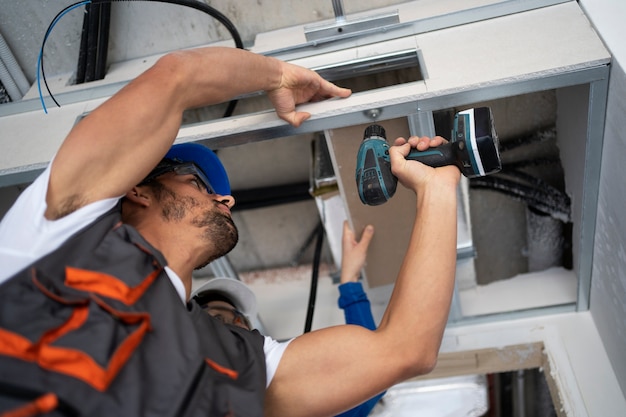
Garage doors are an essential component of any home, providing security, convenience, and aesthetic appeal. However, like any mechanical system, garage doors can experience a range of issues that may disrupt their functionality. Understanding common problems and knowing how to troubleshoot them can save time and prevent further damage. This guide offers expert advice on identifying and resolving typical garage door issues, ensuring that your garage door operates smoothly and safely.
Common Garage Door Problems
Garage door issues can occur due to various reasons. Here are some of the most prevalent problems homeowners might encounter:
- Garage Door Won?t Open or Close: This can be caused by a malfunctioning remote control, dead batteries, or a disruption in the power supply.
- Unusual Noises: Squeaking or grinding sounds might indicate a need for lubrication or more serious mechanical problems.
- Door Off Track: This occurs when the door rollers slip out of the tracks, often due to obstructions or wear and tear.
- Broken Springs: Springs counterbalance the door?s weight and can break after prolonged use, rendering the door inoperable.
- Sensor Issues: Misaligned or obstructed sensors can prevent the door from closing properly.
Troubleshooting Steps
Addressing garage door issues often involves a systematic approach. Here are some troubleshooting steps to consider:
Check Power Supply and Remote Control
- Ensure the garage door opener is plugged in and the circuit breaker is not tripped.
- Replace the batteries in the remote control and try using the wall switch to rule out remote issues.
Inspect the Tracks and Rollers
- Examine the tracks for any bends or obstructions. Clear debris and ensure they are aligned properly.
- Lubricate the rollers and tracks with a recommended garage door lubricant to reduce noise and improve movement.
Test the Garage Door Springs
- Visually inspect the springs for any signs of wear or damage. If a spring is broken, it is advisable to seek professional help due to the tension and potential danger.
Evaluate the Sensors
- Ensure that the sensors are clean and aligned. Adjust them if needed and test the door?s operation.
- If the problem persists, consider consulting a professional for garage door repair services.
When to Seek Professional Help
While many garage door issues can be handled with basic troubleshooting, some problems require the expertise of a professional. Here are situations where professional intervention is recommended:
- Complex Mechanical Issues: Problems with the opener?s motor or intricate electrical issues should be addressed by experts.
- Broken or Worn-Out Parts: Replacing springs, cables, or other components involves significant risk and should be handled by trained technicians.
- Persistent Operational Failures: If the door continues to malfunction despite troubleshooting, professional evaluation is necessary to prevent further damage.
Preventative Maintenance Tips
Regular maintenance can significantly extend the lifespan of a garage door and reduce the likelihood of unexpected issues. Here are some maintenance tips:
- Inspect and clean the tracks monthly to ensure they are free from debris.
- Lubricate moving parts, such as rollers and hinges, every six months.
- Test the opener’s auto-reverse function regularly to ensure safety features are working.
By following these guidelines and maintaining a proactive approach to garage door care, homeowners can enjoy a reliable and efficient garage door system for years to come. For those in need of professional assistance, exploring options for garage door repair can provide peace of mind and ensure that any issues are resolved promptly and effectively.