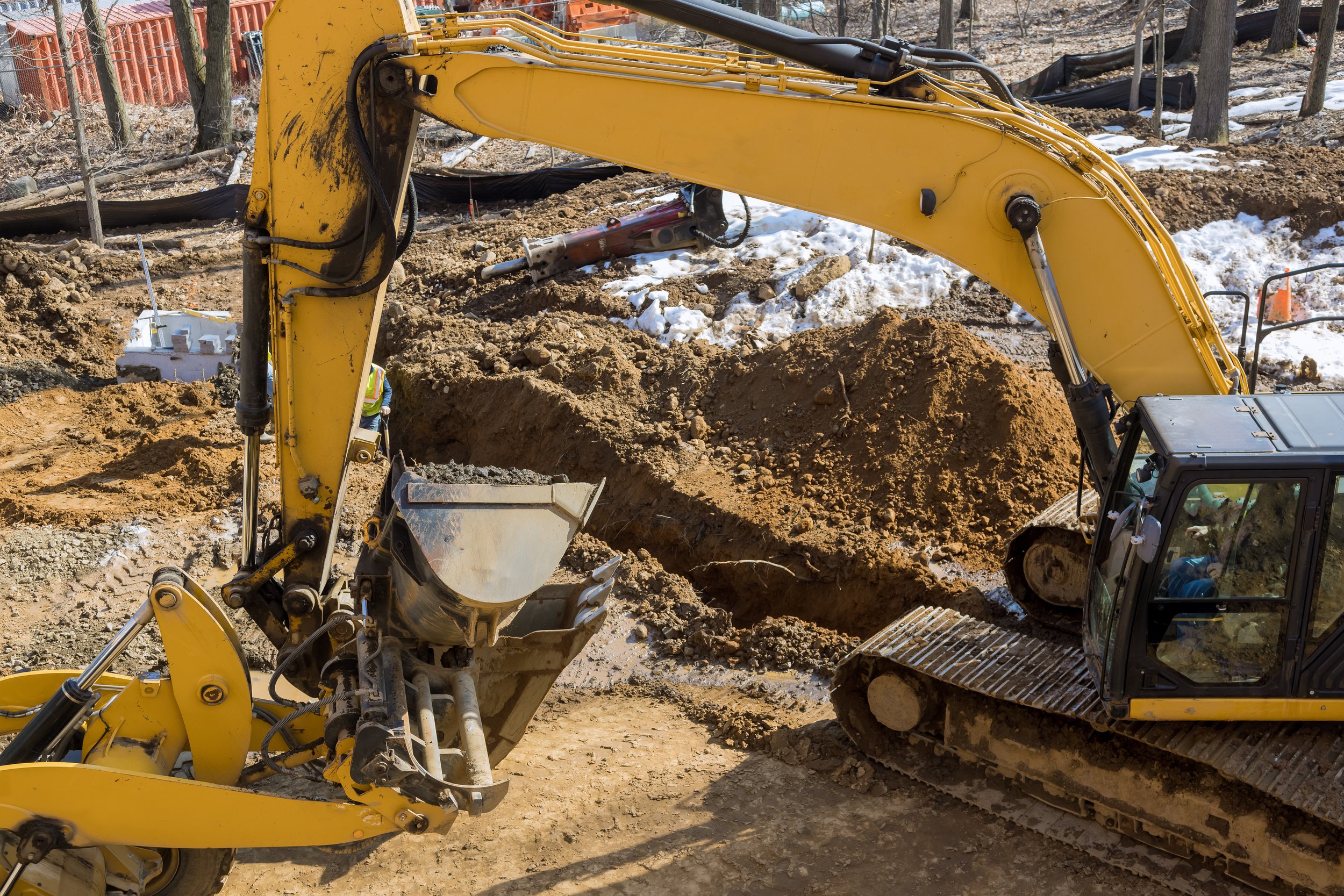
When embarking on a construction project that requires trenching, finding the right contractor is crucial to ensure both efficiency and safety. Trenching is a specialized task that involves excavation to create narrow depressions in the ground. These trenches are often used for installing utilities such as water lines, electrical cables, and fiber optics. Due to the complexity and potential hazards associated with trenching, selecting an expert contractor is essential to the success of the project.
Understanding Trenching Requirements
Before hiring a trenching contractor, it is vital to understand the specific requirements of your project. This involves assessing the depth and length of the trench, the type of soil, and the presence of any underground utilities. Clear project specifications will help in discussing the scope of work with potential contractors and obtaining accurate quotes.
Key Considerations
- Project Scale: Define the size and complexity of the trenching work required.
- Soil Conditions: Different soil types can significantly impact the trenching process.
- Regulatory Compliance: Ensure adherence to local regulations and safety standards.
Qualities of a Professional Trenching Contractor
Choosing a contractor with the right expertise is crucial. Look for contractors who exhibit the following qualities:
- Experience: A contractor with extensive experience in trenching projects similar to yours is preferable.
- Licensing and Certification: Verify that they hold the necessary licenses and certifications required in your area.
- Safety Record: A focus on safety, with a proven track record of accident-free projects, is essential.
- Advanced Equipment: Access to modern and well-maintained equipment enhances efficiency and precision.
- Reputation: Positive reviews and testimonials from previous clients can provide insights into their reliability and professionalism.
Gathering and Comparing Bids
Once potential contractors are shortlisted, the next step is to gather bids. This process involves requesting detailed proposals that outline the scope of work, timeline, and cost estimates. Here?s how to effectively compare bids:
- Cost vs. Value: While competitive pricing is important, prioritize value over the lowest bid.
- Timeline: Assess whether the proposed timeline aligns with your project schedule.
- Inclusions and Exclusions: Clearly understand what is included in the proposal and any potential additional costs.
Ensuring Effective Communication
A successful project hinges on effective communication between all parties involved. Establishing clear lines of communication from the outset helps in promptly addressing any issues or changes in the project scope. Consider the following tips:
- Regular Updates: Schedule regular meetings or updates to discuss progress and challenges.
- Single Point of Contact: Designate a primary contact within the contractor?s team for streamlined communication.
- Documentation: Maintain detailed records of all communications and agreements.
Finalizing the Contract
Once a contractor is selected, the final step involves formalizing the agreement through a detailed contract. Important elements to include are:
- Scope of Work: Define tasks, deliverables, and responsibilities clearly.
- Payment Terms: Specify payment schedules and terms.
- Warranty and Guarantees: Outline any guarantees regarding the work performed.
- Dispute Resolution: Include a mechanism for resolving potential disputes.
By diligently following these steps, project managers can ensure they select a reliable and skilled trenching contractor that aligns with their project’s goals and expectations. The right contractor will not only bring expertise and precision to the job but also contribute to the overall success and safety of the project.