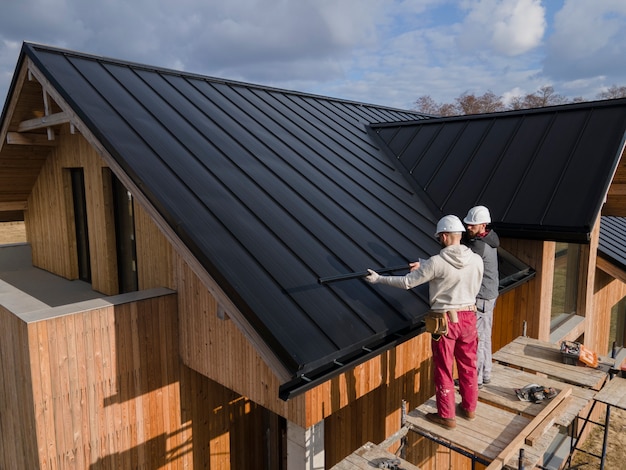
When it comes to selecting materials for the roof of a property, many factors must be considered to ensure durability, aesthetic appeal, and overall value. Steel roofing has gained popularity for its resilience and sleek look, making it a preferred choice for both residential and commercial properties. Deciding on the best steel roofing requires a comprehensive understanding of its properties, types, and what each offers in terms of performance and longevity. This guide presents expert tips to assist property owners in making informed decisions about steel roofing.
Understanding Different Types of Steel Roofing
Steel roofing comes in various forms, each suited to different architectural needs and climatic conditions. Understanding these differences is crucial in making the right choice.
- Galvanized Steel: This type is coated with a layer of zinc, which provides excellent anti-corrosion properties and is ideal for areas prone to moisture.
- Galvalume Steel: A combination of zinc and aluminum coating offers enhanced corrosion resistance and is especially suitable for regions with harsh weather conditions.
- Stone-Coated Steel: This option combines the durability of steel with the aesthetic appeal of traditional roofing materials like tiles or shingles.
For more in-depth information on types of steel roofing and their specific applications, it is beneficial to consult resources that specialize in roofing materials.
Considerations for Selecting Steel Roofing
When choosing the best steel roofing, several factors must be considered to ensure the roofing meets the specific needs of the property.
Climate and Environmental Conditions
The environmental conditions where the property is located play a crucial role in determining the type of steel roofing. Areas with high humidity or coastal regions require roofing materials with high corrosion resistance.
Energy Efficiency
Energy efficiency is a growing concern among property owners. Steel roofing with reflective coatings can reduce heat absorption, thus lowering cooling costs. Opting for roofing materials that contribute to energy savings is both eco-friendly and economical.
Cost vs. Longevity
While initial costs can vary, the longevity of steel roofing often justifies the investment. It?s important to balance upfront costs with the long-term benefits of reduced maintenance and replacement needs.
Architectural Style
The architectural style of the property influences the choice of roofing materials. Steel roofing is versatile and can complement both modern and traditional designs, but selecting a style that harmonizes with the building?s architecture is essential.
Installation and Maintenance Tips
Proper installation and regular maintenance are critical to maximizing the lifespan and performance of steel roofing.
- Professional Installation: Hiring experienced professionals ensures that the roofing is installed correctly and securely, preventing future issues.
- Regular Inspections: Conducting routine inspections helps in identifying potential problems early, such as loose panels or damaged coatings.
- Cleaning and Coating: Regular cleaning and applying protective coatings can significantly extend the life of steel roofing.
For more insights on installation and maintenance, explore resources that delve into the practical aspects of managing steel roofs.
Conclusion
Choosing the best steel roofing for a property involves careful consideration of various factors, from material types to climatic conditions and architectural requirements. By understanding these elements and utilizing expert advice, property owners can ensure their choice of roofing offers maximum durability, efficiency, and aesthetic appeal. Steel roofing, with its combination of strength and versatility, presents a valuable investment that enhances the value and functionality of any property.