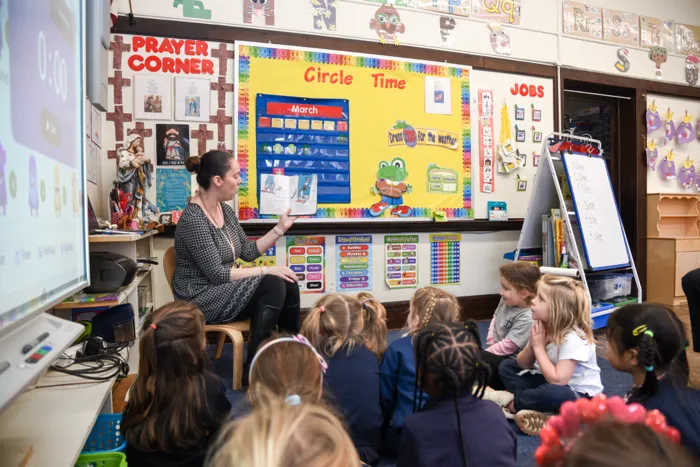
Choosing a preschool for your child is a significant decision that can set the tone for their early educational journey. It’s a choice that requires careful consideration of various factors, including the curriculum, environment, and teaching philosophy. Parents often seek options that not only fit their logistical needs but also align with their educational values and goals for their child. This article explores crucial elements to consider when evaluating preschool options near you, helping you make an informed decision that will benefit your child’s development and learning experience.
Understanding Different Preschool Philosophies
Preschool philosophies can significantly impact the type of learning environment and educational approach your child will experience. Here are some common philosophies to consider:
- Montessori: Focuses on child-led learning with an emphasis on independence, hands-on learning, and collaborative play.
- Reggio Emilia: Encourages self-expression and exploration, with a strong emphasis on community and collaboration.
- Waldorf: Centers around imaginative play and nature-based learning, with a holistic approach to education.
- Traditional: Often structured with teacher-led activities and a focus on academic readiness for kindergarten.
To explore advanced guides and tips on preschool philosophies, learn about our tailored solutions.
Evaluating Curriculum and Educational Goals
The curriculum of a preschool should align with your educational goals for your child. Consider the following:
Skill Development
- Look for programs that promote social, emotional, cognitive, and physical development.
- Ensure the curriculum includes activities that build foundational skills in literacy and numeracy.
Enrichment Activities
- Evaluate the presence of art, music, and physical education in the daily schedule.
- Check if there are opportunities for cultural activities and exposure to different languages.
For more details on evaluating preschool curricula, find out more about this approach.
Assessing the Learning Environment and Facilities
The physical environment of a preschool plays a vital role in a child’s learning experience. Consider these aspects:
- Safety and Cleanliness: The facilities should be clean, safe, and well-maintained.
- Classroom Setup: Classrooms should be organized and equipped with age-appropriate learning materials.
- Outdoor Spaces: Adequate outdoor spaces for play and exploration are crucial for physical development.
To gain insights into creating optimal learning environments, explore advanced guides and tips.
Teacher Qualifications and Student-to-Teacher Ratios
High-quality preschool education is often defined by the qualifications and dedication of its teaching staff. Look for:
- Qualified Teachers: Educators with certifications in early childhood education or related fields.
- Professional Development: Ongoing training opportunities for teachers to stay updated with the latest educational practices.
- Student-to-Teacher Ratio: Smaller ratios often allow for more personalized attention and support.
Discover expert strategies for evaluating teacher qualifications here.
Parental Involvement and Communication
Effective communication between the preschool and parents is essential for a cohesive educational experience:
- Open Communication Channels: Regular updates through newsletters, emails, or meetings.
- Parental Involvement Opportunities: Programs that encourage parental participation in school activities.
To learn about fostering strong school-parent partnerships, explore advanced guides and tips.
In conclusion, exploring preschool options requires a comprehensive evaluation of various factors. By understanding the different educational philosophies, assessing curriculum goals, evaluating learning environments, and considering teacher qualifications, parents can make informed decisions that best support their child’s early development. For more in-depth information on choosing the right preschool, discover expert strategies here.