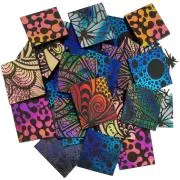
Etched dichroic glass art stands as an awe-inspiring form of expression that blends technology and creativity to create stunning visual effects. This art form takes dichroic glass, known for its unique ability to display multiple colors by reflecting and refracting light, and enhances it through intricate etching techniques. The result is a mesmerizing interplay of color and texture that captivates viewers and art enthusiasts alike. As the popularity of etched dichroic glass art grows, artists and collectors seek to understand the nuances that make each piece a masterpiece. This exploration delves into the beauty, techniques, and applications of etched dichroic glass.
Understanding Dichroic Glass
Dichroic glass is a material known for its dynamic optical properties, which allow it to reflect one color while transmitting another. This unique characteristic is achieved through a complex manufacturing process that involves layering micro-thin layers of metal oxides onto glass. The resulting product is a canvas of vibrant colors that change under different lighting conditions and angles of view.
The Artistic Process of Etching
Etching on dichroic glass involves selectively removing parts of the dichroic coating to reveal contrasting textures and colors. This process can be accomplished through various methods, including:
- Chemical Etching: Involves using acids or other chemicals to etch away the dichroic coating.
- Sandblasting: Uses high-pressure air and abrasive materials to precisely remove layers of glass.
- Laser Etching: Employs precision lasers to achieve intricate designs and patterns.
Each technique offers unique advantages and challenges, allowing artists to choose the method that best suits their creative vision. To explore advanced guides and tips on these methods, learn about our tailored solutions.
The Aesthetic Appeal of Etched Dichroic Glass
Etched dichroic glass pieces are celebrated for their ability to transform light and space. The etched patterns enhance the interplay of colors, creating a dynamic visual experience that can change with the viewer’s perspective. The aesthetic qualities of etched dichroic glass make it a popular choice for:
- Architectural Installations: Used in windows, partitions, and skylights to add a touch of luxury and color to spaces.
- Jewelry Design: Provides a unique and customizable element for rings, pendants, and earrings.
- Sculptural Art: Offers artists a medium that combines form, light, and color in a single piece.
For those interested in the applications of etched dichroic glass, discover expert strategies here.
Challenges and Considerations
While etched dichroic glass art is visually captivating, it presents several challenges that artists must navigate. These include:
- Material Costs: High-quality dichroic glass and etching equipment can be expensive.
- Technical Skill: Mastery of etching techniques requires precision and practice.
- Fragility: The delicate nature of glass necessitates careful handling and installation.
Artists and collectors can find out more about this approach to overcoming these challenges and achieving stunning results.
The Future of Etched Dichroic Glass Art
The future of etched dichroic glass art is bright, with advancements in technology continually expanding the possibilities for artists. Innovations in etching techniques and materials are enabling more intricate and vibrant designs, pushing the boundaries of what can be achieved with this medium.
As the art form evolves, artists and enthusiasts are encouraged to explore advanced guides and tips to stay at the forefront of this dynamic and captivating field.
Etched dichroic glass art remains a testament to the fusion of science and creativity, offering endless opportunities for artistic exploration and expression. This remarkable medium continues to inspire and captivate, leaving a lasting impact on the world of art and design.