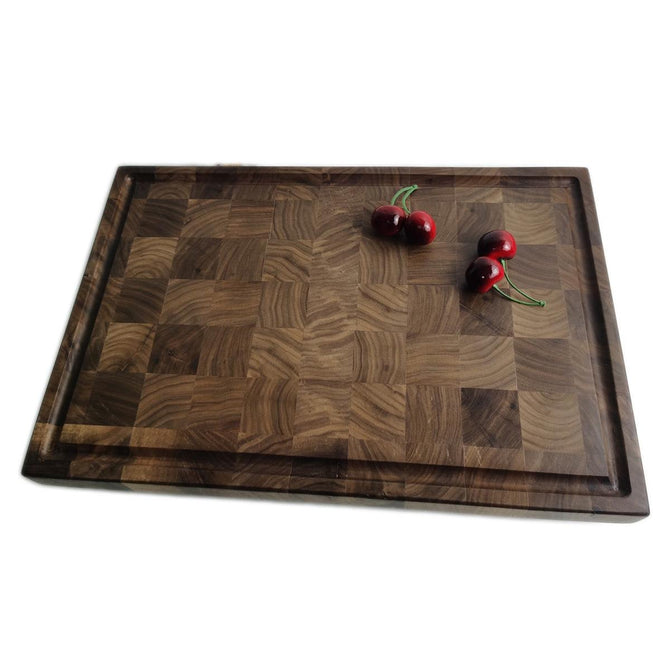
In the world of culinary arts, the tools and materials one chooses can make a significant difference in the cooking experience. Among these, a wooden chopping board holds a place of honor for many chefs and home cooks. Known for their durability, aesthetic appeal, and functionality, wooden chopping boards are more than just a kitchen essential; they are a testament to the timeless elegance of natural materials. This article explores the multifaceted benefits of wooden chopping boards, providing insights into why they continue to be a preferred choice for culinary enthusiasts around the globe.
The Aesthetic Appeal of Wooden Chopping Boards
Wooden chopping boards are often celebrated for their natural beauty and visual appeal. The rich tones and intricate patterns of wood grain cutting board designs can enhance any kitchen’s aesthetic. Whether crafted from walnut, maple, or teak, these boards bring a touch of organic elegance to cooking spaces.
- Natural wood patterns create a unique, one-of-a-kind appearance for each board.
- A variety of wood types offer different color palettes and grain styles.
- End grain and edge grain cutting boards each offer distinct visual textures.
Functionality and Durability
Beyond aesthetics, wooden chopping boards are highly functional and durable. Their solid construction makes them suitable for a range of cutting tasks, from slicing bread to chopping vegetables.
Advantages of Wooden Construction
- Wood is naturally resistant to bacteria, making it a hygienic choice for food preparation.
- Durable enough to withstand heavy use without showing significant wear.
- Gentler on knives, preserving the sharpness of blades longer than harder surfaces like glass or stone.
Specialized Designs for Enhanced Utility
Specialized designs such as the butcher block cutting board or the walnut end grain cutting board further enhance functionality. These designs cater to specific culinary tasks and preferences, offering tailored solutions for serious cooks.
Environmental Benefits
Choosing a wooden chopping board is not only a decision for quality and aesthetics but also an environmentally friendly choice. Wood is a renewable resource, and many manufacturers prioritize sustainable practices in their production processes.
- Many wooden boards are made from sustainably harvested wood, ensuring minimal environmental impact.
- Recyclable and biodegradable, wooden boards offer an eco-friendly alternative to plastic.
- Long lifespan reduces the need for frequent replacements, decreasing overall waste.
Care and Maintenance
Proper care and maintenance are key to preserving the beauty and functionality of a wooden chopping board. Regular oiling with food-grade mineral oil can prevent the wood from drying out and cracking, while routine cleaning keeps the surface hygienic and ready for use.
- Hand wash with warm, soapy water and dry thoroughly to maintain wood integrity.
- Avoid submerging in water or placing in the dishwasher to prevent warping.
- Use food-safe oils to condition the wood and maintain its luster.
In conclusion, a face grain cutting board or an end grain wood cutting board offers a blend of functionality, beauty, and sustainability that is hard to match. Investing in a quality wooden chopping board is a decision that benefits both the kitchen and the environment, ensuring a cutting experience that is as enjoyable as it is efficient.