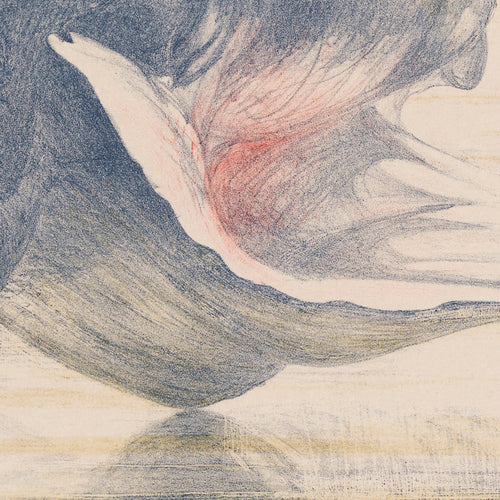
Art has long been a medium through which creators express emotions, communicate ideas, and capture the beauty of the world around them. In recent years, the world of art has seen a significant transformation with the rise of art prints, making artwork more accessible to a broader audience. Whether it’s a reproduction of a famous masterpiece or a print of an emerging artist’s work, art prints allow art enthusiasts to enjoy and own a piece of creativity. Understanding the nuances of art prints from their creation on canvas to their final form as prints is crucial for both collectors and admirers of art.
The Journey from Canvas to Print
The process of creating an art print starts with the original artwork. Typically, this is a hand-painted piece on canvas. However, the journey from canvas to print involves several critical steps:
- High-Resolution Scanning: The first step in transforming a canvas painting into an art print is capturing a high-resolution image of the original artwork. This ensures that every detail and color nuance is preserved.
- Digital Adjustments: After capturing the image, digital adjustments may be made to enhance colors or correct any distortions that occurred during scanning.
- Print Production: The final step involves printing the adjusted digital image onto high-quality paper or canvas using specialized printers that can replicate the vivid colors and textures of the original piece.
Materials Used in Art Prints
The materials used in art prints significantly impact the final product’s quality and longevity. Here are some common materials:
- Paper: High-quality, acid-free paper is often used for art prints to ensure durability and color fidelity.
- Canvas: Some prints are produced on canvas, offering a texture similar to the original artwork.
- Inks: Archival inks are typically used to prevent fading and maintain the vibrancy of the prints over time.
Types of Art Prints
Understanding the different types of art prints can enhance appreciation and help in making informed purchasing decisions. Some popular types include:
- Gicl?e Prints: Known for their high quality, gicl?e prints are produced using inkjet printers. They offer exceptional detail and color accuracy and are often used for art prints in galleries.
- Limited Edition Prints: These are released in a specific number of copies, often signed and numbered by the artist, adding to their value and exclusivity.
- Open Edition Prints: Unlike limited editions, open edition prints have no cap on the number of reproductions, making them more accessible and affordable.
The Value of Art Prints
Art prints hold a unique value in the art world. They provide a way for art enthusiasts to own beautiful pieces at a fraction of the cost of original artworks. Additionally, they offer artists a platform to reach a wider audience and make their work more financially sustainable.
Collecting Art Prints
For those interested in collecting art prints, consider the following tips:
- Research the artist and their body of work to understand the context and significance of the prints.
- Pay attention to the print’s edition size, as smaller editions are often more valuable.
- Ensure the print comes with a certificate of authenticity, which can help verify its origin and value.
Conclusion
The art of art prints bridges the gap between traditional art and modern accessibility. As the appreciation for art continues to grow, art prints serve as a testament to the evolving landscape of art ownership and enjoyment. By understanding the process, materials, and types of art prints, both new and seasoned collectors can make informed decisions that enrich their personal collections and aesthetic experiences.