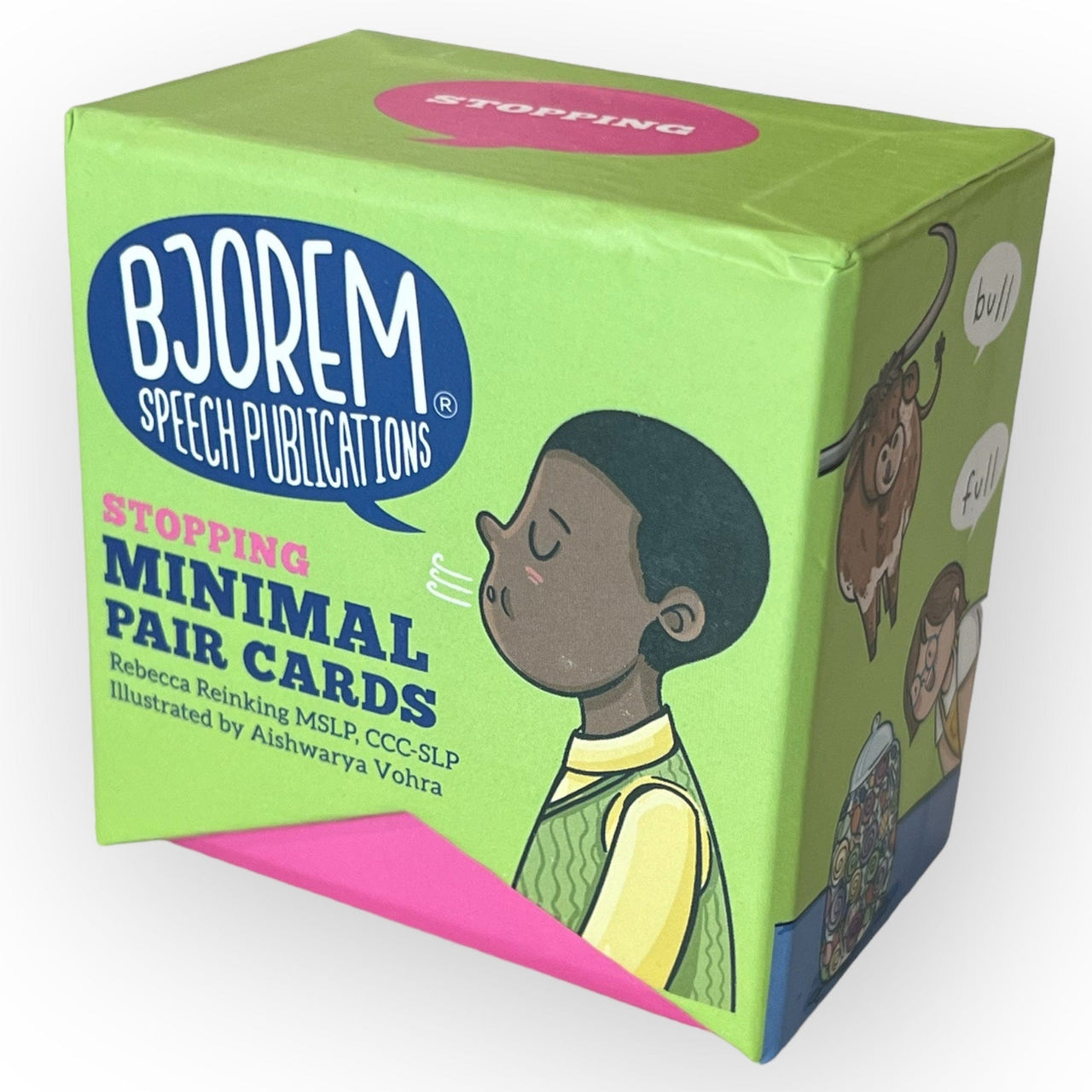
Language acquisition is a fundamental aspect of human development, and finding innovative ways to enhance this process remains a topic of interest for educators and linguists alike. Among the myriad of tools available, minimal pairs picture cards stand out as an effective method for facilitating language practice. These cards are especially useful for individuals seeking to refine their pronunciation skills and can be employed in various educational settings.
Understanding Minimal Pairs
Minimal pairs are pairs of words that differ by only a single sound, such as ‘pat’ and ‘bat’. This subtle distinction makes them valuable tools for language learning, especially for those aiming to improve their phonetic awareness and pronunciation accuracy. Minimal pairs picture cards incorporate visual aids, enhancing the learning experience by engaging multiple senses.
The Benefits of Using Picture Cards
Incorporating picture cards into language practice offers a range of benefits:
- Visual Engagement: The use of images helps to maintain learners’ interest and supports memory retention.
- Phonetic Focus: Learners can concentrate on the specific sounds that differentiate words.
- Interactive Learning: Picture cards encourage participation and interaction, making the learning process more dynamic and enjoyable.
- Versatility: These cards can be used in diverse educational settings, from classrooms to individual study sessions.
Effective Strategies for Using Minimal Pairs Picture Cards
To maximize the benefits of minimal pairs picture cards, it’s essential to employ effective strategies:
1. Incorporate Varied Activities
Engage learners with a variety of activities, such as:
- Matching games that pair words with similar sounds.
- Pronunciation drills focused on distinguishing between minimal pairs.
- Interactive storytelling exercises that incorporate the words on the cards.
Read more about this topic to discover additional activity ideas.
2. Tailor Sessions to Learners’ Needs
Consider the specific needs of learners when designing sessions. For example:
- Younger learners may benefit from games that incorporate movement and sound.
- Adult learners might prefer activities that focus on real-life applications, such as practicing minimal pairs in sentences.
Explore further insights here on tailoring language practice to different age groups.
3. Use Technology to Enhance Learning
Integrating technology can enhance the learning experience:
- Digital versions of picture cards can be used in virtual classrooms.
- Interactive apps and online platforms can complement traditional card exercises.
Find additional information here on incorporating technology into language learning.
Conclusion
Minimal pairs picture cards offer a fun and effective way to enhance language practice. By focusing on subtle phonetic distinctions, learners can improve their pronunciation and phonetic awareness. When combined with interactive activities and tailored to specific learning needs, these tools can significantly enrich the language acquisition process. For educators and learners seeking to integrate these resources into their practice, learn more in this detailed guide to explore a variety of methodologies and applications.