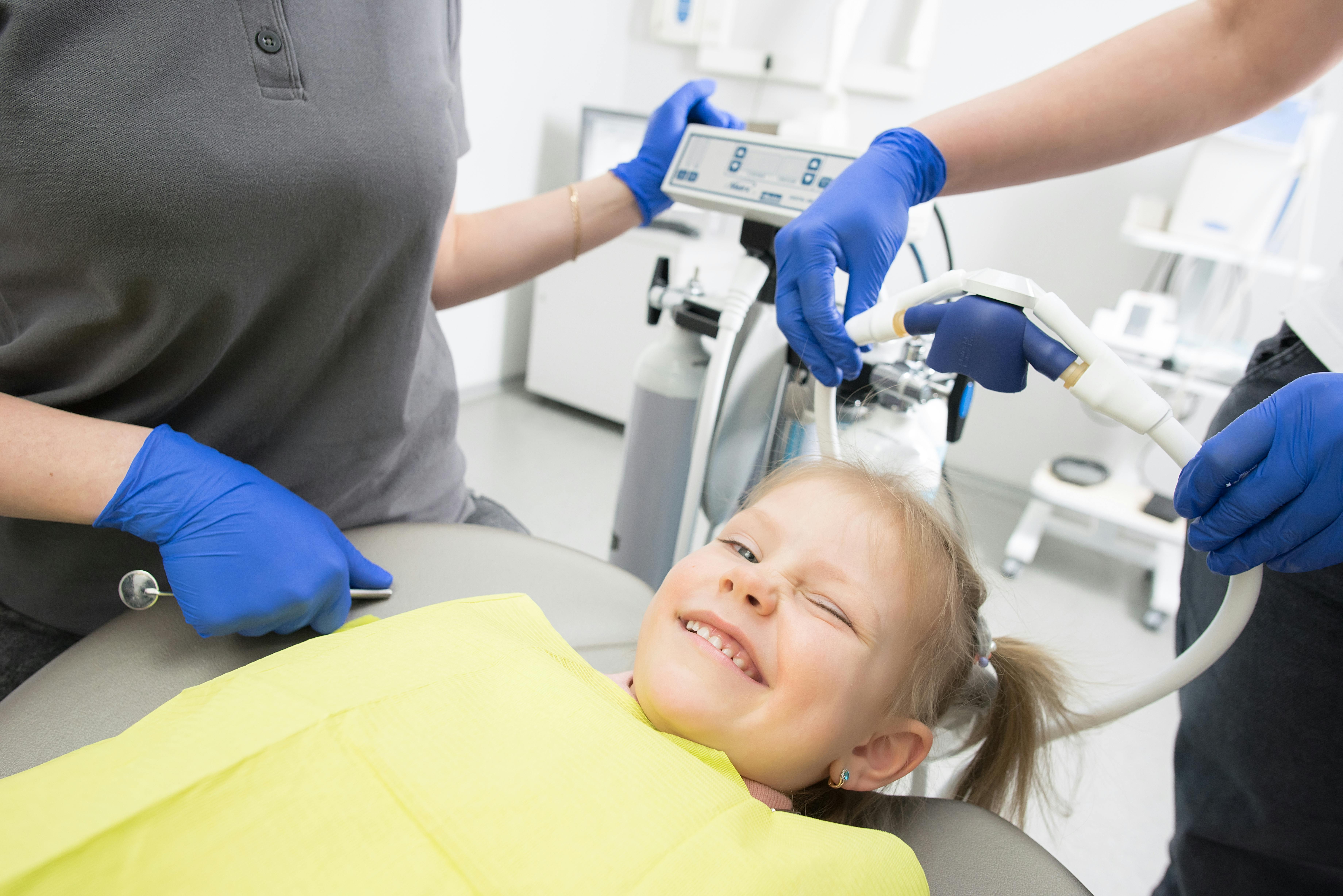
Handling a dental emergency involving children can be a daunting task for any parent or guardian. The sudden onset of pain or injury can cause considerable stress, making it crucial to know the steps to take for immediate and effective response. Children’s dental emergencies can range from a knocked-out tooth to a severe toothache. Understanding the appropriate measures can prevent further complications and ensure the child’s well-being. This article explores various types of dental emergencies children may face and outlines essential first aid tips, along with guidance on when and how to seek professional help.
Common Types of Dental Emergencies in Children
Children can experience a variety of dental emergencies, some of which are more prevalent than others. Recognizing these emergencies is the first step in managing them effectively.
- Knocked-Out Tooth: This is a frequent occurrence due to falls or sports-related injuries.
- Chipped or Broken Tooth: Often results from biting hard foods or accidental impacts.
- Toothache: Can be caused by cavities, infections, or food debris stuck between teeth.
- Loose Tooth: While common during the growing years, an unexpected looseness might require attention.
- Soft Tissue Injury: Includes lacerations to the lips, tongue, or cheeks.
Understanding these emergencies can aid in determining the urgency and the type of care needed. For more detailed information on recognizing and handling these emergencies, find additional information here.
First Aid Tips for Dental Emergencies
Immediate Response Measures
Immediate care can significantly impact the outcome of a dental emergency. Here are some crucial steps:
- Knocked-Out Tooth: Rinse the tooth gently without scrubbing, and try to place it back in the socket if possible. If not, store it in milk and seek dental care immediately.
- Chipped or Broken Tooth: Rinse the mouth with warm water and apply a cold compress to reduce swelling. Collect any broken pieces and visit the dentist promptly.
- Toothache: Rinse the mouth with warm water and gently floss to remove any debris. Avoid applying aspirin directly to the gum. Seek professional evaluation if pain persists.
- Soft Tissue Injury: Clean the area with warm water and use gauze to stop bleeding. Apply a cold compress to reduce swelling and consult a dental professional.
For comprehensive first aid techniques, explore further insights here.
When to Seek Professional Help
While initial first aid is critical, professional dental services are often necessary to address the underlying issues. Seek immediate dental care if:
- The knocked-out tooth is permanent, as re-implantation is time-sensitive.
- The child is experiencing severe pain or swelling that does not subside with basic first aid.
- There is uncontrollable bleeding or signs of infection such as fever or pus.
- The injury affects facial bones or causes misalignment.
Professional evaluation is essential to prevent further damage and ensure proper healing. Read more about this topic to understand the importance of timely dental intervention.
Preventive Measures for Avoiding Dental Emergencies
Prevention plays a key role in minimizing the risk of dental emergencies. Here are some precautionary measures:
- Encourage wearing mouthguards during sports activities.
- Promote good oral hygiene practices to prevent decay and infections.
- Ensure regular dental check-ups to catch potential issues early.
- Teach children about the dangers of chewing hard objects or foods.
By following these preventive strategies, the likelihood of dental emergencies can be reduced significantly. Learn more in this detailed guide on maintaining optimal dental health for children.
In conclusion, handling dental emergencies in children requires a combination of prompt first aid and professional care. By staying informed and prepared, parents can help mitigate the stress and pain associated with these incidents, ensuring their children’s oral health is maintained effectively.