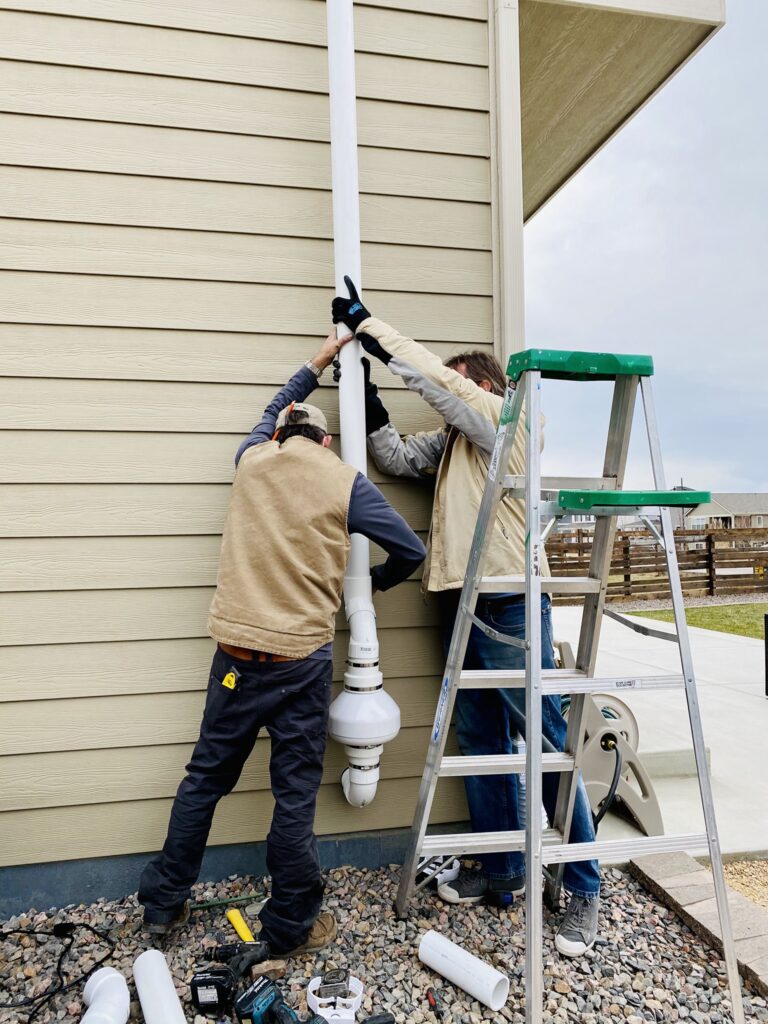
Radon mitigation is a critical concern for property owners in Denver due to the naturally high levels of radon in the region. Radon is a colorless, odorless radioactive gas that can accumulate in homes and buildings, posing significant health risks. Understanding how radon mitigation works is essential for ensuring a safe and healthy environment. This article delves into the mechanisms of radon mitigation and the importance of implementing effective strategies in Denver properties.
Understanding Radon and Its Risks
Radon is a byproduct of the natural breakdown of uranium in soil, rock, and water. It can enter homes through cracks and openings in the foundation and accumulate to dangerous levels. Prolonged exposure to high radon concentrations is the second leading cause of lung cancer after smoking.
- Radon is prevalent in Colorado due to its geological composition.
- Testing for radon levels in homes is crucial, especially in high-risk areas like Denver.
- Professional mitigation is recommended if radon levels exceed the EPA action level of 4 pCi/L.
Radon Mitigation Techniques
Sub-Slab Depressurization
Sub-slab depressurization is the most common and effective method for reducing radon levels in Denver properties. This technique involves creating a vacuum beneath the building’s foundation to redirect radon away from the home.
- Installation of a pipe system and a fan to draw radon from beneath the foundation.
- Sealing foundation cracks and openings to enhance the system’s efficiency.
- Discover expert strategies here.
Drain Tile Suction
For homes with drain tile systems, this method is effective in reducing radon levels by utilizing existing drainage systems to direct radon gas away from the property.
- Connecting the mitigation system to the drain tile to enhance gas removal.
- Ensures both radon and moisture control.
- Learn about our tailored solutions.
Active vs. Passive Systems
Radon mitigation systems can be active or passive, each with distinct characteristics and applications.
Active Systems
- Include a continuously operating fan to actively move radon from beneath the building.
- More effective in consistently reducing radon levels.
- Require ongoing maintenance to ensure optimal performance.
Passive Systems
- Rely on natural ventilation and pressure differences to reduce radon levels.
- Less effective in areas with high radon concentration.
- Can be converted into active systems if needed.
- Explore advanced guides and tips.
Importance of Professional Installation
Professional installation of radon mitigation systems is crucial for ensuring their effectiveness and compliance with local regulations. Experts possess the necessary skills and knowledge to design systems tailored to specific property needs.
- Professionals conduct thorough assessments to determine the best mitigation approach.
- Ensure systems are installed according to industry standards.
- Provide ongoing maintenance and monitoring services.
- Find out more about this approach.
By understanding the intricacies of radon mitigation and employing expert guidance, Denver property owners can effectively manage radon levels, safeguarding their homes and health. Implementing the right mitigation strategies not only protects against health risks but also enhances property value and peace of mind.