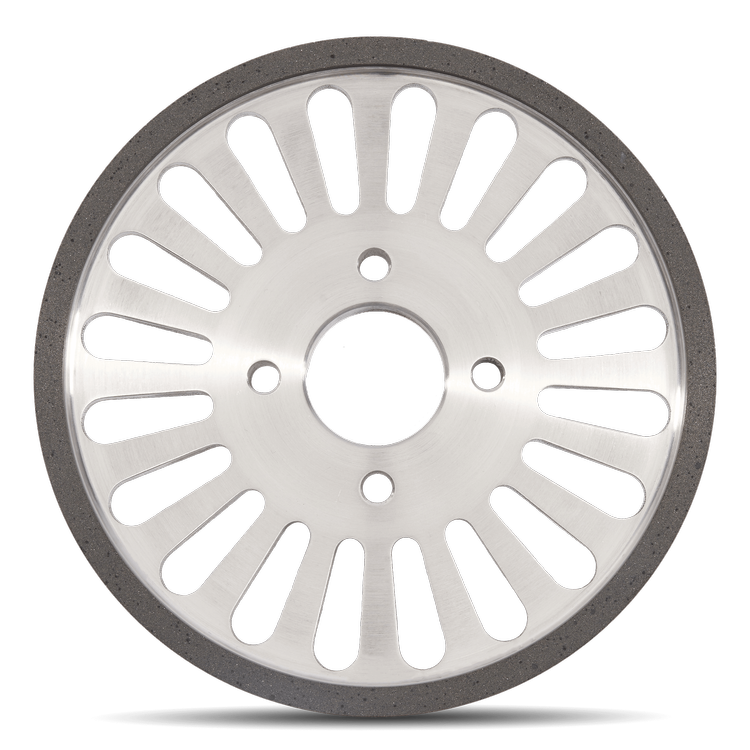
Selecting the right resin bond grinding wheel is crucial for achieving optimal performance and efficiency in various industrial applications. Given the plethora of options available in the market, determining the best fit for specific tasks can be challenging. A resin bond grinding wheel is a versatile tool, suitable for a range of materials and applications, making it a popular choice among professionals. Understanding the key factors involved in choosing the right wheel can significantly enhance productivity and quality.
Understanding Resin Bond Grinding Wheels
A resin bond grinding wheel is made by mixing synthetic resin with abrasives and fillers. This composition results in a wheel that is durable and efficient for cutting and grinding operations. The resin bond provides a degree of flexibility which allows for smooth grinding and better surface finish.
Key Features of Resin Bond Grinding Wheels
- Durability: Resin bond wheels are known for their long-lasting performance.
- Flexibility: The resin allows for a certain degree of flexibility, ideal for precision applications.
- Versatility: Suitable for various materials such as metals, ceramics, and glass.
Factors to Consider When Choosing a Resin Bond Grinding Wheel
Material Type
Different materials require different types of grinding wheels. Consider the hardness and composition of the material to be worked on. For instance, a harder material like steel might require a wheel with a higher abrasive concentration for efficient cutting.
Wheel Specifications
The specifications of the wheel, such as grit size, bond type, and hardness, play a significant role in its performance.
- Grit Size: Determines the coarseness of the wheel. A finer grit is suitable for precision work.
- Bond Type: Resin bonds provide a good balance between material removal and surface finish.
- Hardness: Choose the hardness based on the material’s toughness and the required finish.
Application and Purpose
Define the primary purpose of the grinding operation. Is it for cutting, sharpening, or finishing? Each application may require a different wheel specification. For more information, explore the best applications for a resin bond grinding wheel.
Machine Compatibility
Ensure that the wheel is compatible with the grinding machine in use. Factors such as wheel size, speed, and mounting fittings should be considered to prevent operational issues.
Maintenance and Safety Considerations
Regular maintenance is vital for prolonging the lifespan of the grinding wheel and ensuring safe operations. Follow these guidelines for optimal performance:
- Regular Inspection: Check for signs of wear or damage before use.
- Proper Storage: Store in a dry, temperature-controlled environment to prevent degradation.
- Safety Gear: Always use appropriate safety gear, including goggles and gloves, when operating grinding equipment.
Conclusion
Choosing the best resin bond grinding wheel involves careful consideration of the material, wheel specifications, application, and machine compatibility. By understanding these factors, professionals can ensure efficient and safe grinding operations. For more insights into selecting and utilizing resin bond wheels, explore resources and expert advice available online.