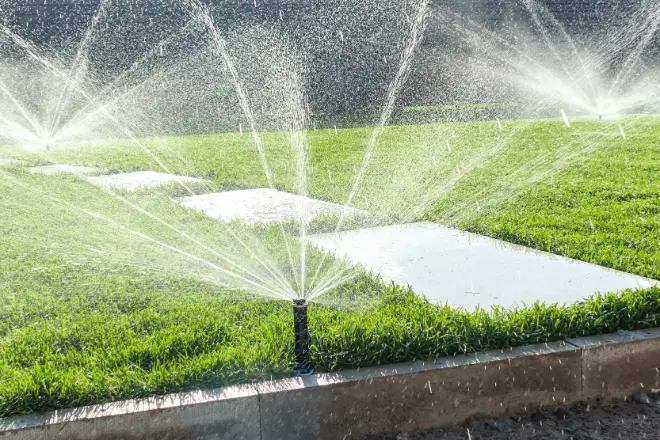
As the global demand for water increases and climate change continues to affect weather patterns, the need for efficient water management becomes ever more critical. Across the globe, the agricultural sector is the largest consumer of freshwater resources, and traditional irrigation methods can often lead to excessive water usage and wastage. Smart irrigation systems represent a significant advancement in this area, offering a more sustainable solution by optimizing water use and ensuring that landscapes and crops receive the necessary moisture without overuse. This article delves into the benefits and components of smart irrigation solutions, and how they maximize water efficiency.
Understanding Smart Irrigation
Smart irrigation systems are designed to provide the right amount of water at the right time, improving the efficiency of water use in landscapes and agricultural settings. These systems utilize a variety of technologies to monitor and respond to environmental conditions, ensuring optimal moisture levels while conserving water.
Components of Smart Irrigation Systems
- Weather-based controllers: These devices use local weather data to adjust watering schedules, ensuring that irrigation occurs only when necessary.
- Soil moisture sensors: By measuring the moisture content in the soil, these sensors help determine when watering is needed, preventing over-irrigation.
- Flow meters: These devices monitor the flow of water through the system, allowing users to detect leaks and inefficiencies.
- Smart controllers: These advanced systems integrate with mobile apps and other platforms, providing users with remote access and control over their irrigation schedules.
Benefits of Smart Irrigation
Implementing smart irrigation technologies offers numerous benefits that can greatly enhance water efficiency and sustainability:
- Water conservation: By optimizing water use, smart systems can reduce water consumption by up to 30%, significantly contributing to conservation efforts.
- Cost savings: Lower water usage translates to reduced utility bills, making smart irrigation systems a cost-effective investment in the long run.
- Enhanced plant health: Providing the right amount of water helps maintain healthy landscapes and crops, reducing the risk of diseases and promoting growth.
- Environmentally friendly: By minimizing runoff and preventing overwatering, these systems help preserve local ecosystems and reduce pollution.
Discover expert strategies here to integrate these benefits into existing systems.
Implementing Smart Irrigation Solutions
For those looking to upgrade their irrigation systems, several steps can be taken to implement smart technologies effectively:
Assess Current Systems
Before upgrading, it’s essential to evaluate the existing irrigation setup. This includes checking for leaks, examining the efficiency of current controllers, and identifying areas of improvement. Those interested can find out more about this approach to ensure a tailored solution.
Choose the Right Components
Selecting the appropriate smart irrigation components is crucial. Consider factors such as the size of the area to be irrigated, local climate conditions, and specific plant needs. Learn about our tailored solutions to make informed decisions.
Professional Installation and Maintenance
While some smart irrigation systems can be installed by the user, professional installation ensures that the system is set up correctly and functions optimally. Regular maintenance is also vital to keep the system running efficiently. Explore advanced guides and tips for maintaining these systems effectively.
The Future of Smart Irrigation
The future of irrigation is moving towards fully integrated systems that leverage the Internet of Things (IoT), artificial intelligence, and machine learning to provide even more precise and efficient watering solutions. As technology advances, these systems will become more accessible, affordable, and essential for sustainable water management in both residential and agricultural settings.
For a more in-depth understanding of how smart irrigation is transforming water management, discover expert strategies here.