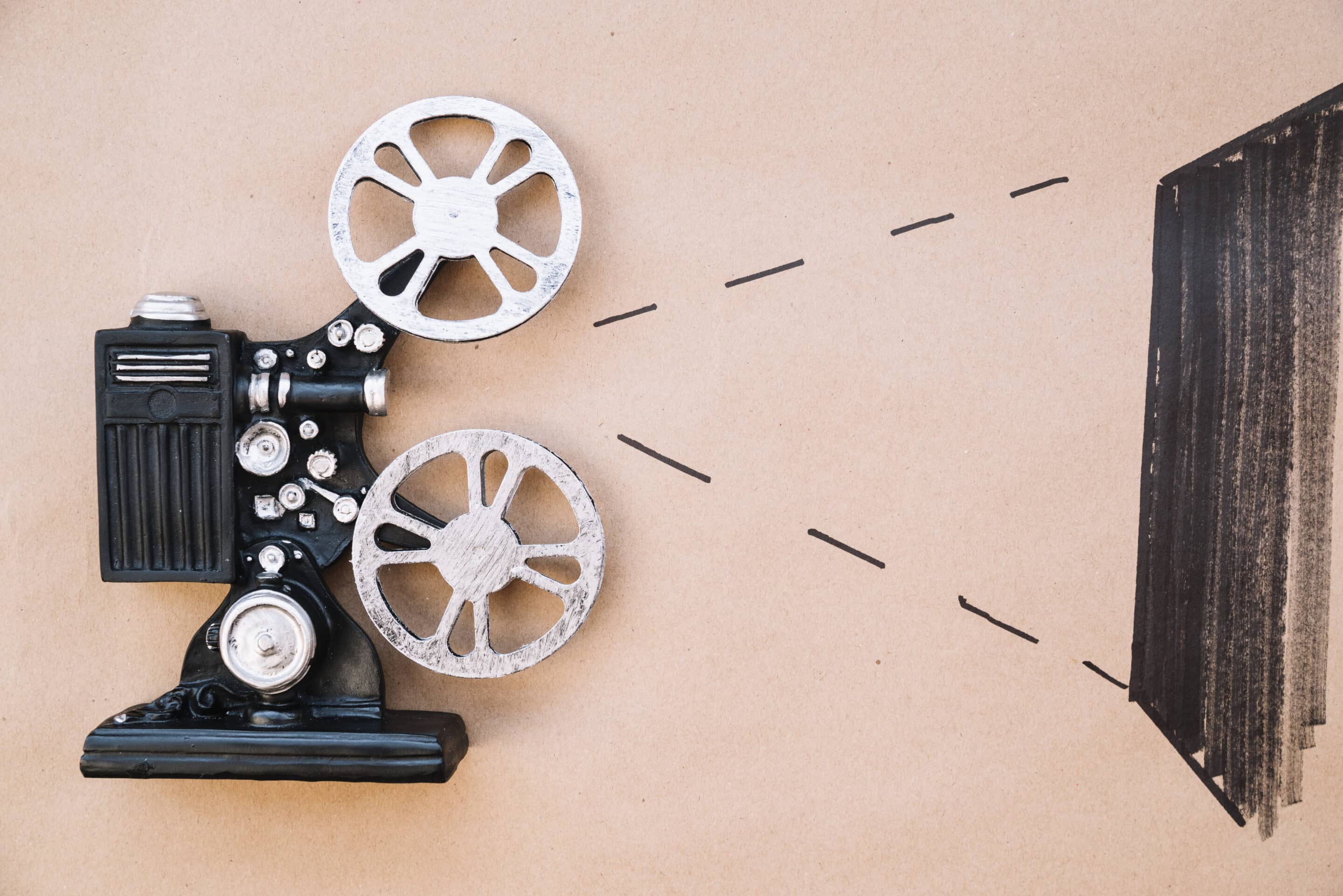
Preserving memories is an essential aspect of cherishing the moments that define our lives. However, as technology advances, the formats in which these memories are stored can become obsolete. Old film reels, once the standard for home movies and cherished family moments, are now less accessible due to the decline of analog technology. Converting old film to video is a valuable way to modernize these memories, ensuring they remain accessible for future generations. This article explores the reasons for conversion, the process involved, and how to choose the right service provider.
The Importance of Film to Video Conversion
There are several compelling reasons to consider converting old film reels to digital video formats:
- Preservation: Film degrades over time. Converting film to video helps preserve the quality of the footage.
- Accessibility: Digital formats are easier to view, share, and store than traditional film reels.
- Longevity: Digital files are more durable and less prone to damage compared to physical film.
- Convenience: With digital formats, viewing and sharing memories on various devices becomes seamless.
For more detailed insights on how to preserve these invaluable memories, discover expert strategies here.
Understanding the Conversion Process
Converting old film to video involves several technical steps to ensure the highest quality transfer. Here”?s a brief overview of the typical process:
1. Assessment and Cleaning
Before conversion, films are carefully inspected for damage. Cleaning the film is crucial to remove dust and debris that could affect the quality of the transfer.
2. Digitization
Using specialized equipment, the film is scanned frame by frame. This method ensures that the digital copy retains the resolution and color quality of the original footage.
3. Editing and Enhancement
Once digitized, the video can be edited to correct any color imbalances or remove unwanted scenes. This stage is crucial for enhancing the overall viewing experience.
4. Output and Storage
The final step involves converting the edited digital file into the desired format, whether it be DVD, Blu-ray, or a digital format such as MP4. For more comprehensive guidance on the conversion process, explore advanced guides and tips.
Choosing the Right Conversion Service
Selecting a reliable and skilled service provider is essential for ensuring the quality of the conversion process. Consider the following factors when making your choice:
- Experience: Look for providers with a proven track record in film conversion. Experience often translates to better quality control and attention to detail.
- Technology: Ensure the provider uses the latest scanning and editing equipment to maintain high-definition results.
- Customization: Opt for services that offer tailored solutions to meet specific needs, such as special editing requests or custom storage options. Learn about our tailored solutions.
- Customer Reviews: Research customer feedback and testimonials to gauge the level of satisfaction with the service.
To find out more about this approach and ensure your memories are preserved with care, find out more about this approach.
Conclusion
Converting old film to video is not just about preserving the past; it is about making memories accessible and shareable for the present and future. By understanding the importance of this process, the technical steps involved, and how to select a proficient service provider, cherished memories can be safeguarded for years to come. Embrace the opportunity to modernize your memories and keep them alive for future generations to enjoy.