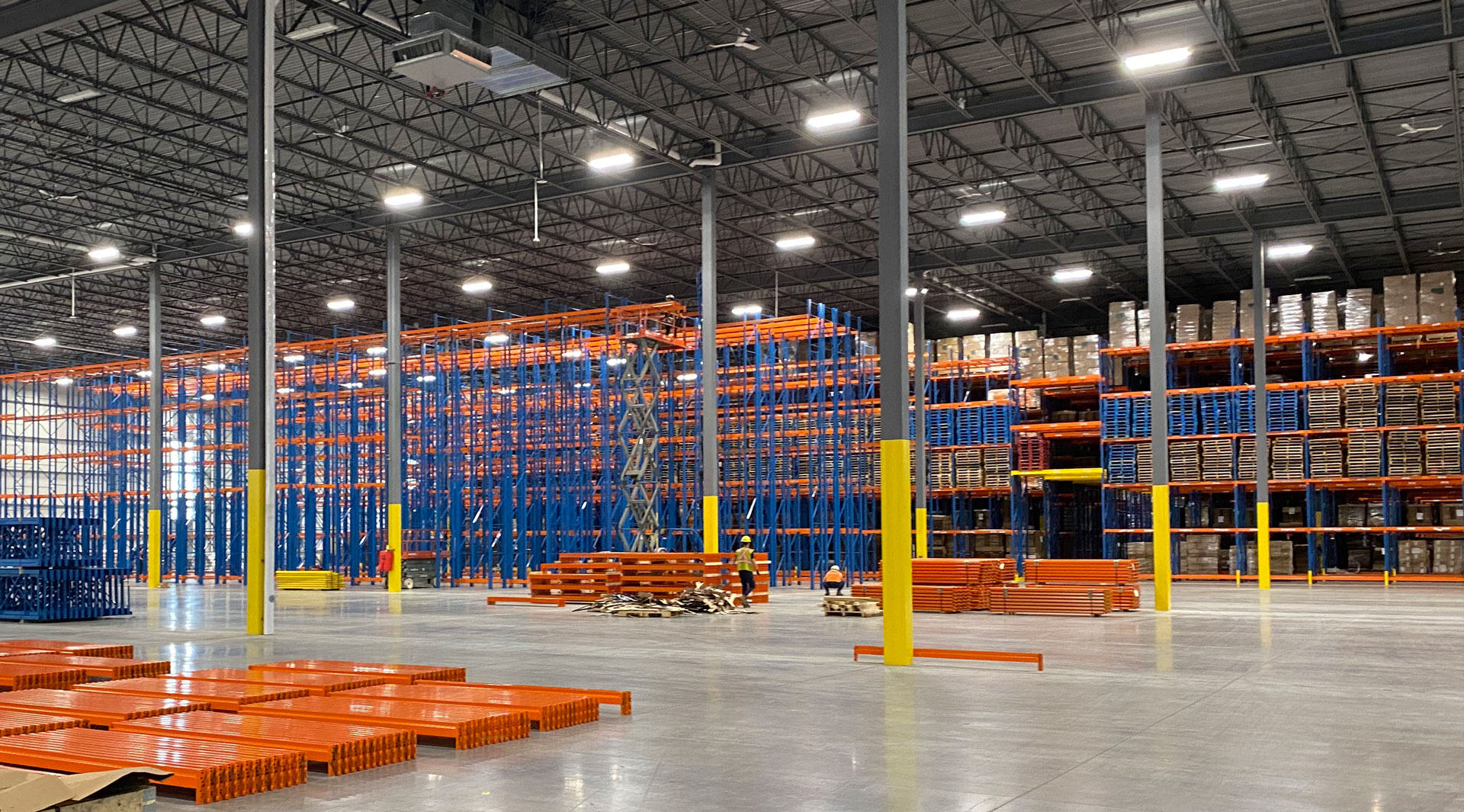
In today’s fast-paced industrial environment, efficient use of space is crucial for maintaining operational efficiency and reducing costs. Warehouses are no longer just storage spaces; they are complex systems that require optimization to maximize productivity and space utilization. One of the most effective ways to achieve this is through the implementation of heavy-duty warehouse racking systems. These systems not only enhance storage capabilities but also contribute to safer and more organized warehouse environments.
The Importance of Warehouse Space Optimization
Optimizing warehouse space is essential for several reasons. An efficient warehouse layout can significantly improve workflow, reduce labor costs, and increase the overall capacity of storage facilities. The following points highlight the importance of space optimization in warehousing:
- Increased storage density: Utilizing vertical space allows for more goods to be stored within the same footprint.
- Improved inventory management: Organized racking systems facilitate easier access to products and better tracking of inventory.
- Enhanced safety: Properly designed racking systems reduce clutter and minimize the risk of accidents.
- Cost efficiency: Optimized space reduces the need for additional storage facilities, leading to cost savings.
Types of Heavy Duty Warehouse Racking Systems
There are various types of heavy-duty racking systems available, each designed to meet specific storage needs. Some prominent types include:
- Pallet Racking: Ideal for bulk storage, pallet racking systems are versatile and can be customized to fit different warehouse layouts.
- Cantilever Racking: Best suited for long and bulky items such as pipes and lumber, offering easy access and better organization.
- Drive-In Racking: Maximizes storage density by allowing forklifts to drive directly into the storage lanes.
- Push Back Racking: Utilizes a gravity-fed system to store multiple pallets deep, reducing forklift travel time.
For more detailed insights into each system and how they can be tailored to specific industry requirements, discover expert strategies here.
Factors to Consider When Choosing a Racking System
Selecting the right racking system involves considering several factors that align with warehouse operations:
- Load Capacity: It is crucial to understand the weight and size of the items to be stored to ensure the racking system can support them.
- Space Availability: Evaluate the warehouse layout and ceiling height to maximize vertical space utilization.
- Accessibility Needs: Determine how frequently items need to be accessed to choose a system that offers the best accessibility.
- Safety Standards: Ensure compliance with industry safety standards to protect both workers and inventory.
For companies seeking tailored solutions, learn about our tailored solutions to optimize warehouse storage effectively.
Benefits of Implementing Heavy Duty Racking Systems
Adopting a well-planned racking system can bring numerous advantages to warehouse operations:
- Enhanced Efficiency: Streamlined processes and organized storage lead to faster fulfillment and reduced handling time.
- Scalability: Racking systems can be expanded or reconfigured to accommodate growing storage needs.
- Inventory Control: Improved visibility and accessibility help maintain accurate inventory levels and reduce shrinkage.
- Space Saving: Vertical storage optimizes available space, eliminating the need for additional storage facilities.
To explore advanced guides and tips on implementing these systems, explore advanced guides and tips.
Conclusion
In conclusion, heavy-duty warehouse racking systems are indispensable tools for optimizing space in modern warehouses. They provide a structured approach to storage that enhances safety, efficiency, and productivity. By carefully selecting the appropriate racking system and considering the specific needs of the warehouse, businesses can achieve significant improvements in their operations. To discover more about this approach and find the ideal solution for any warehousing challenge, find out more about this approach.