In today’s fast-paced world, ensuring the safety and security of personal belongings is paramount. Whether you’re downsizing, decluttering, or simply need extra space, choosing the right storage solution is critical. Two popular options include indoor storage units and outdoor storage. Each comes with its own set of advantages and considerations, making it essential to evaluate which best aligns with your specific needs.
Advantages of Indoor Storage Units
Indoor storage units are a popular choice for those seeking enhanced security and climate control. They are typically housed within a larger facility, offering a range of benefits:
- Climate Control: Protects sensitive items such as electronics, documents, and furniture from extreme temperatures and humidity.
- Enhanced Security: Indoor units are often located within a secure building, providing additional layers of security like surveillance cameras and gated access.
- Protection from Elements: Keeps belongings safe from weather-related damage, including rain, snow, and UV exposure.
- Convenience: Typically accessible during regular business hours, making them a reliable option for regular access.
Exploring Outdoor Storage Options
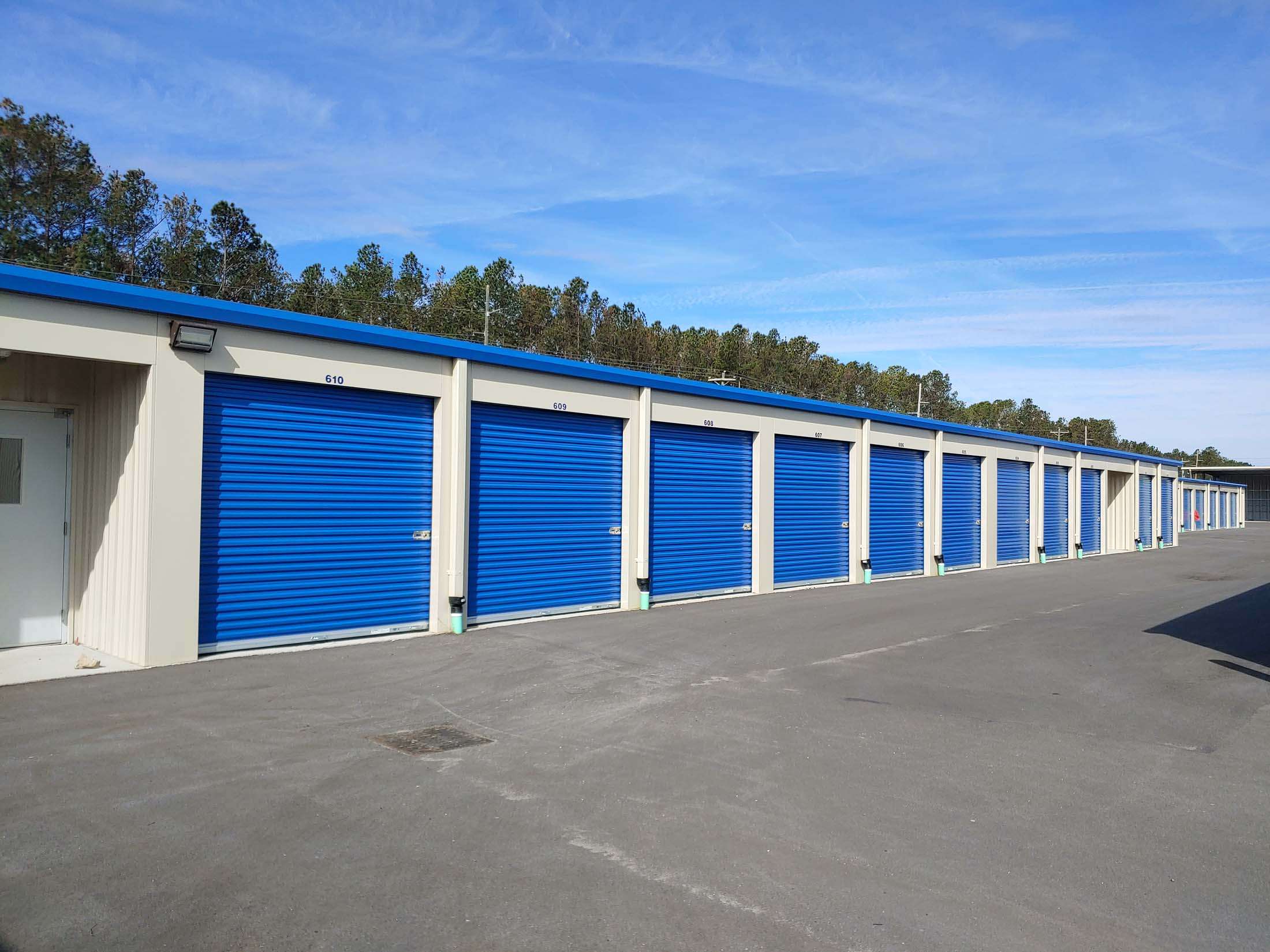
Outdoor storage, often referred to as drive-up storage, provides quick and easy access to belongings. This option is particularly beneficial for those who need to store items like vehicles, boats, or other large equipment.
Benefits of Outdoor Storage
- Easy Access: Drive-up units allow for direct vehicle access, facilitating easy loading and unloading.
- Cost-Effective: Generally more affordable than indoor units, making them an attractive option for budget-conscious individuals.
- Versatility: Ideal for storing non-sensitive items that are not affected by temperature or humidity fluctuations.
Comparison: Indoor vs. Outdoor Storage
Choosing between indoor and outdoor storage requires careful consideration of several factors:
- Type of Items: Determine whether your items are sensitive to environmental conditions. Indoor units are better for delicate items, while outdoor units suit more robust items.
- Access Needs: Consider how often you need to access your belongings. Outdoor units offer greater accessibility, while indoor units provide better security measures.
- Budget: Assess your budgetary constraints. Indoor units, while more secure and climate-controlled, often come at a higher cost compared to outdoor options.
- Security Concerns: Evaluate the level of security you require. Indoor units typically offer more comprehensive security features.
Making the Right Choice
Ultimately, the decision between indoor and outdoor storage options hinges on individual needs and priorities. For those with valuable or temperature-sensitive items, indoor storage units are highly recommended due to their superior protection and security features. Conversely, if cost and accessibility are the primary concerns, outdoor storage may offer a viable solution.
It is always advisable to visit potential storage facilities, ask pertinent questions, and assess the conditions before making a commitment. By carefully weighing the pros and cons, individuals can find a storage solution that offers the optimal balance of security, convenience, and cost-effectiveness.