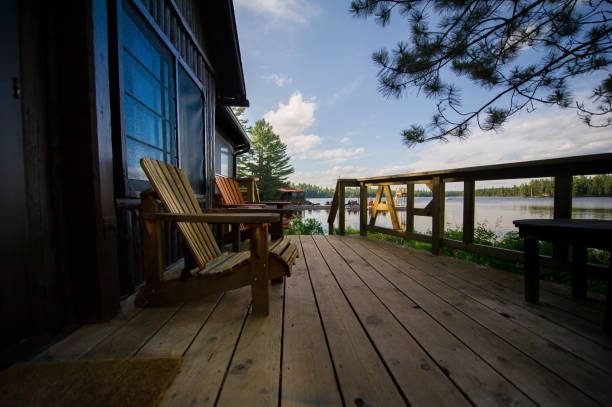
Wooden piers have long been a quintessential feature of seaside towns and coastal landscapes, evoking a sense of nostalgia and serenity. These charming structures, often seen protruding into the water, have been part of the coastal scenery for centuries, serving both practical and recreational purposes. From the iconic boardwalks of America’s East Coast to the quaint fishing piers of small harbor towns, wooden piers hold a special place in the hearts of many. Their rustic beauty and historical significance make them a beloved symbol of coastal life.
The Historical Significance of Wooden Piers
Wooden piers date back to ancient times, where they were primarily used for docking boats and facilitating trade. As time progressed, their role expanded beyond commerce, becoming central to leisure and tourism.
Evolution Over Time
Originally constructed for practical purposes, wooden piers began to take on new roles as places for social gatherings and entertainment. The Victorian era saw a surge in pier construction, with many piers becoming home to amusement rides, theaters, and cafes.
- Early piers were simple structures used for docking and fishing.
- The 19th century brought about piers designed for leisure, featuring attractions and games.
- Modern wooden piers continue to blend functionality with recreation, offering spaces for fishing, promenading, and dining.
Wooden Piers: A Blend of Functionality and Aesthetics
Today, these wooden piers are celebrated not only for their utility but also for their design and architecture. Their construction requires a delicate balance of engineering expertise and artistic vision.
Design and Construction
The design of a wooden pier is dictated by several factors, including location, intended use, and environmental considerations. Constructing these structures involves a nuanced understanding of materials, tides, and weather patterns.
- Materials: Typically constructed from treated wood to withstand the harsh marine environment.
- Architecture: Designs range from simple, utilitarian structures to elaborate, ornate constructions.
- Sustainability: Modern piers often incorporate eco-friendly materials and methods to minimize environmental impact.
The Cultural Impact of Wooden Piers
Wooden piers have not only shaped the landscape but have also become a cultural icon, featured in countless works of art, literature, and film. Their presence evokes memories of summer days, fishing trips, and seaside vacations.
In Art and Media
Whether depicted in paintings or described in novels, wooden piers often symbolize tranquility and escape. They serve as a backdrop for stories of romance, adventure, and reflection.
- In Literature: Often used as settings for introspective moments or pivotal scenes.
- In Film: Frequently appear in scenes that require a picturesque, serene environment.
- In Art: Artists capture their beauty and the interplay of light and water.
Preserving the Legacy of Wooden Piers
As beloved as they are, wooden piers face threats from natural erosion, climate change, and neglect. Efforts to preserve these structures are essential to maintaining their historical and cultural significance.
Conservation Efforts
Organizations and local communities are increasingly recognizing the importance of preserving these iconic structures. Restoration projects often aim to maintain the original design while upgrading materials to ensure longevity.
- Restoration: Involves repairing damaged sections and replacing decayed materials with durable alternatives.
- Community Engagement: Local groups often spearhead efforts to raise awareness and funds for maintenance.
- Policy and Regulation: Government support is crucial for the protection and conservation of these landmarks.
In conclusion, wooden piers stand as timeless symbols of coastal life, embodying both history and beauty. Their enduring charm continues to captivate those who encounter them, providing a tangible connection to the past and a serene escape from the hustle of modern life. Through thoughtful preservation and appreciation, these cherished structures will continue to grace shorelines for generations to come.