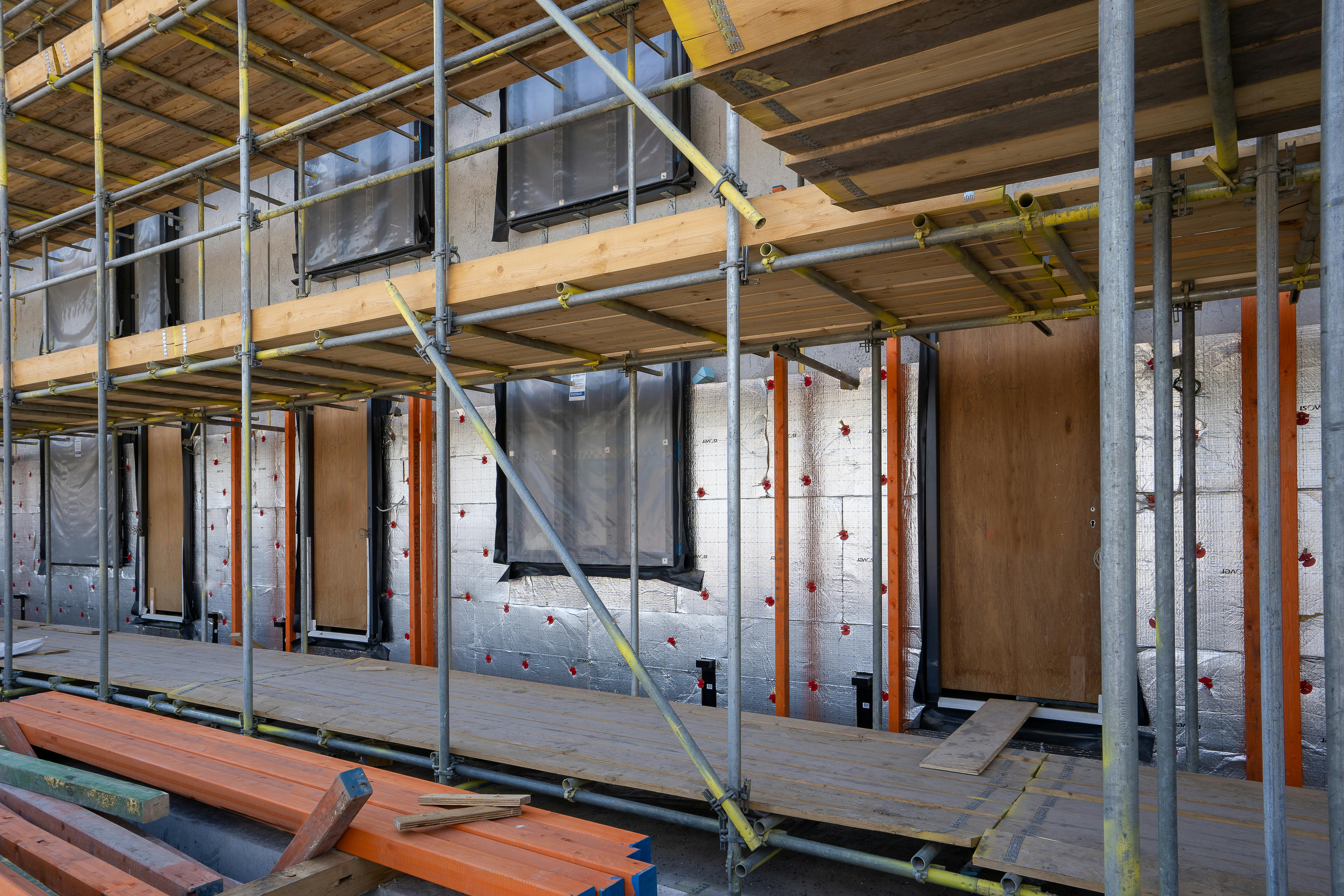
In the modern era of construction, energy efficiency is more than just a trend; it is a necessity. As the demand for sustainable building solutions increases, thermal break insulation has emerged as a pivotal innovation in the quest for reduced energy consumption and enhanced indoor comfort. Understanding the science behind thermal break insulation is crucial for architects, builders, and homeowners who aim to optimize energy efficiency in their buildings. This article delves into the principles of thermal break insulation, its benefits, and its application in contemporary construction.
Understanding Thermal Break Insulation
Thermal break insulation is a method designed to minimize the transfer of heat through building materials. This is achieved by interrupting thermal bridges, which are paths of least resistance for heat flow. The underlying science focuses on using materials with low thermal conductivity to create a barrier that reduces heat transfer between conductive building elements.
The Mechanics of Heat Transfer
To grasp the concept of thermal break insulation, it is essential to understand the three primary modes of heat transfer:
- Conduction: The process by which heat is directly transmitted through a material, usually a solid, due to a difference in temperature.
- Convection: The transfer of heat by the movement of fluids (liquids or gases) between areas of different temperatures.
- Radiation: The emission or transmission of energy in the form of waves or particles through space or a material medium.
Thermal break insulation specifically targets conduction by incorporating materials that impede the flow of heat.
The Benefits of Thermal Break Insulation
Implementing thermal break insulation offers numerous advantages, particularly in regions with extreme climate conditions. Here are some key benefits:
- Energy Efficiency: By reducing heat transfer, buildings require less energy for heating and cooling, leading to significant cost savings.
- Comfort: A stable indoor temperature is maintained, enhancing the comfort of occupants.
- Reduced Condensation: By preventing thermal bridging, condensation on interior surfaces is minimized, reducing the risk of mold and mildew.
- Environmental Impact: Decreased energy consumption translates into lower greenhouse gas emissions, contributing to environmental sustainability.
For more detailed insights into these benefits, find out more about this approach.
Applications of Thermal Break Insulation
Thermal break insulation finds its application in various components of building structures:
Windows and Doors
The frames of windows and doors are typical areas where thermal bridges can occur. Integrating thermal breaks in these components significantly reduces heat loss. To explore advanced guides and tips on integrating thermal breaks, consider examining industry-specific resources.
Building Envelopes
The building envelope, which includes walls, roofs, and floors, can be optimized with thermal break insulation to enhance overall energy performance. The strategic placement of these breaks can result in a more energy-efficient and comfortable building environment.
To discover expert strategies here for implementing thermal breaks effectively, industry insights are invaluable.
Future Trends in Thermal Break Insulation
As technology continues to advance, the materials and methods used for thermal break insulation are expected to evolve. Innovations in material science could lead to even more effective thermal barriers with enhanced durability and performance. Staying informed about these advancements is crucial for stakeholders in the construction industry.
For those interested in staying ahead of the curve, it is beneficial to learn about our tailored solutions for thermal break insulation.
In conclusion, thermal break insulation is an indispensable component in the pursuit of sustainable and energy-efficient buildings. By effectively minimizing heat transfer, it not only reduces energy costs but also enhances occupant comfort and contributes to environmental conservation. As the industry continues to innovate, understanding and implementing thermal break solutions will remain a key factor in modern construction practices.