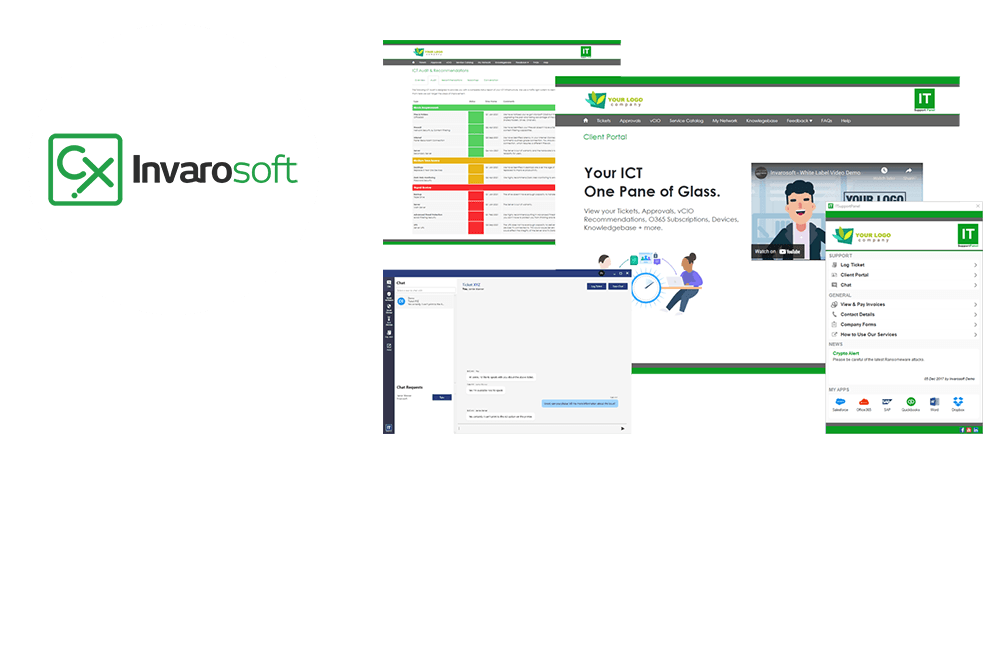
In today’s rapidly evolving IT landscape, Managed Service Providers (MSPs) face the challenge of staying competitive while efficiently managing a variety of client needs. A robust and well-integrated msp stack is crucial for delivering comprehensive and seamless IT services. This guide aims to help MSPs navigate the complexities of building an effective stack, taking into account the latest technological advancements and industry best practices.
Understanding the MSP Stack
An MSP stack refers to the collection of software, tools, and processes that an MSP uses to deliver services to its clients. This stack can include a range of solutions, from remote monitoring and management (RMM) tools to professional services automation (PSA) applications. The core goal is to enhance efficiency, improve service delivery, and offer scalable solutions to clients.
Key Components of an Effective MSP Stack
Building a successful msp stack involves selecting the right components that align with specific business needs. Here are some essential elements:
- Remote Monitoring and Management (RMM): These tools enable MSPs to monitor client networks, automate maintenance tasks, and resolve issues proactively.
- Professional Services Automation (PSA): PSA software helps in managing business operations, including project management, time tracking, and billing.
- Security Solutions: Comprehensive security tools protect client data and systems from cyber threats.
- Backup and Disaster Recovery: Solutions that ensure data integrity and availability in case of system failures.
- Documentation Software: Effective documentation tools improve operational efficiency and knowledge management.
Strategizing Your MSP Stack
The selection process for the components of your stack should be methodical and strategic. Here are some tips to guide you:
- Assess current needs and anticipate future growth to ensure scalability.
- Select tools that integrate seamlessly with existing systems to minimize disruption.
- Consider vendor reputation and support capabilities when choosing solutions.
- Invest in training to maximize the potential of new technologies.
Integration and Implementation
Once the necessary tools are selected, the next step is seamless integration and implementation. This process should focus on ensuring that all components work together to provide a unified service offering.
Best Practices for Implementation
- Start with a pilot program to test the integration of new tools within a controlled environment.
- Create detailed documentation and workflows to facilitate smooth transitions.
- Regularly review and adjust configurations to optimize performance.
- Engage in continuous training and development to keep the team updated with the latest features and updates.
Continuous Evaluation and Optimization
The technology landscape is ever-changing, and so must be your msp stack. Regular evaluation and optimization are critical to maintaining an effective stack that meets evolving client needs.
- Conduct periodic reviews to assess the efficiency and effectiveness of the current stack.
- Stay informed about new tools and technologies that could enhance service delivery.
- Solicit client feedback to identify areas for improvement and innovation.
In conclusion, building a comprehensive and efficient MSP stack is a dynamic process that requires careful planning, execution, and ongoing refinement. By focusing on strategic selection, seamless integration, and regular optimization, MSPs can ensure they are well-equipped to meet the challenges of today’s IT environment and deliver exceptional service to their clients.