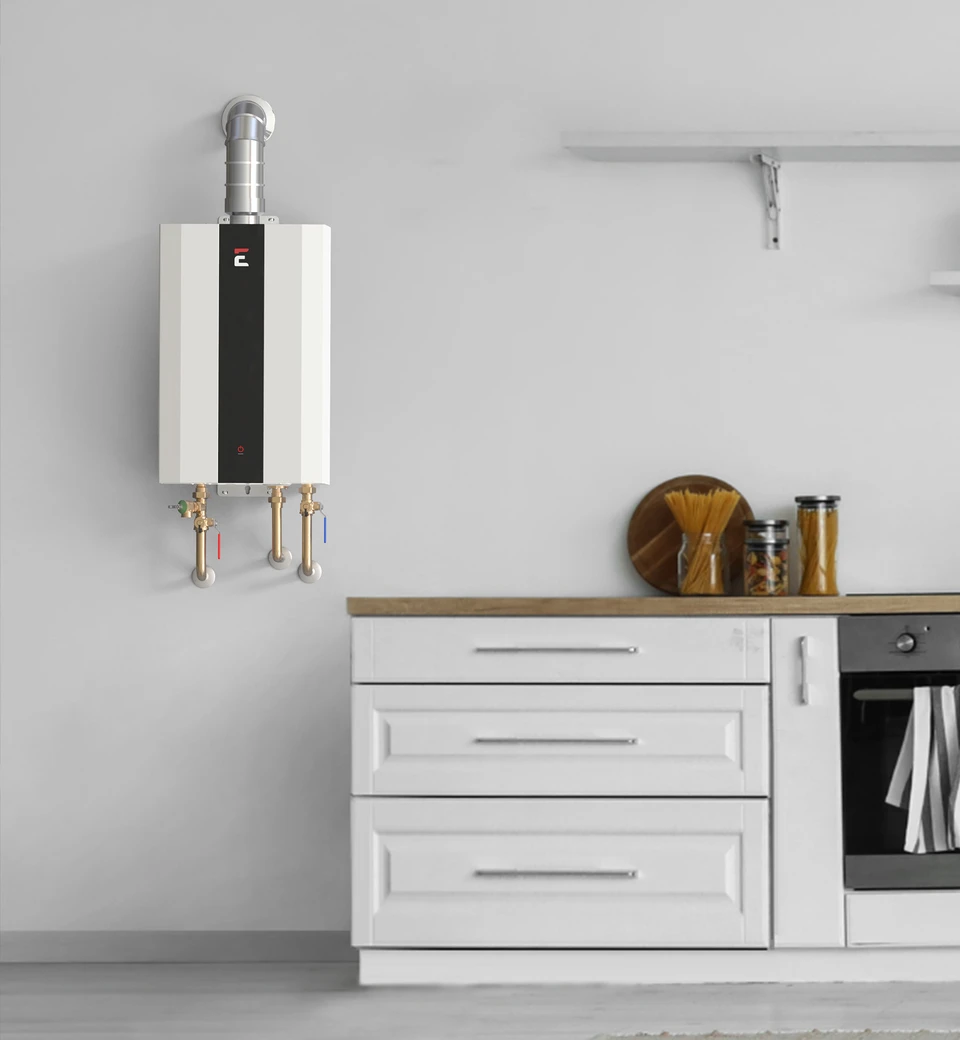
Installing a natural gas tankless hot water heater can be a rewarding endeavor, offering energy efficiency and endless hot water supply. However, the success of this installation hinges on a few critical factors. Whether you’re a DIY enthusiast or planning to hire a professional, understanding these elements can ensure a smooth installation process. This guide provides essential tips for installing a natural gas tankless hot water heater, aiming to streamline the process and avoid common pitfalls.
Preparation and Planning
Before embarking on the installation journey, proper planning is crucial. It is important to assess your current water heating setup and evaluate the capacity and demands of your household.
- Conduct a Water Demand Analysis: Determine your household’s peak hour hot water needs to select the appropriately sized unit. Discover expert strategies here.
- Check Local Codes and Requirements: Ensure compliance with local building codes and gas regulations. Permits may be necessary, and it’s vital to follow these legal requirements.
- Choose the Right Location: The heater should be installed in a place that allows for easy venting and access to gas and water lines.
Installation Steps
Once preparation is complete, proceed with the installation. This section highlights the key steps involved in setting up a natural gas tankless hot water heater.
1. Mounting the Unit
- Ensure the wall can support the weight of the heater. Use the mounting bracket provided with the unit.
- Position the heater at a height that allows for easy access and maintenance.
2. Connecting Gas Supply
- Use the appropriate gas piping and fittings for your unit. Refer to the manufacturer’s specifications to ensure compatibility.
- It’s advisable to hire a licensed professional for gas line installation to ensure safety and compliance with building codes. Learn about our tailored solutions.
3. Setting Up Water Lines
- Connect the cold water supply line to the inlet and the hot water line to the outlet of the heater using quality fittings to prevent leaks.
- Install a sediment filter to protect the unit from debris and prolong its lifespan.
4. Venting
- Proper venting is crucial to prevent the buildup of dangerous gases. Follow the manufacturer’s instructions for venting installation.
- Choose the correct venting kit, considering factors like vent length and termination type. Explore advanced guides and tips.
Testing and Maintenance
After installation, thorough testing and regular maintenance are key to ensuring the efficient operation of your tankless water heater.
- Initial Testing: Check all connections for leaks and ensure the unit operates correctly. Test the water temperature and adjust the thermostat as necessary.
- Regular Maintenance: Descale the unit annually to remove mineral buildup, especially in areas with hard water. Clean the air filter regularly to maintain efficiency.
- Professional Inspection: Schedule periodic inspections by a certified technician to catch potential issues early. Find out more about this approach.
In conclusion, installing a natural gas tankless hot water heater involves careful planning, precise execution, and diligent maintenance. By following these tips, homeowners can enjoy reliable and efficient hot water supply while maximizing the lifespan of their investment. For those seeking further insights and detailed guidance, exploring resources and expert advice is an invaluable step towards successful installation and operation.