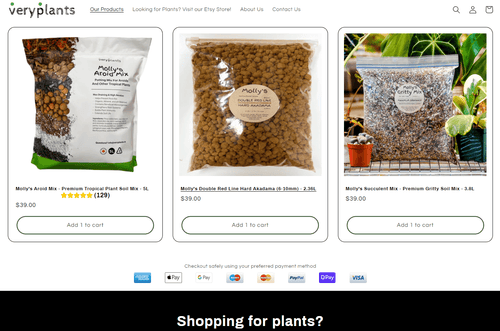
Maintaining healthy indoor plants often begins with choosing the right medium for growth. While soil has long been the traditional choice for indoor gardening, more people are exploring alternatives that offer better drainage, reduced pests, and specific nutrient benefits. With an increasing variety of options available, selecting the right substrate for your indoor greenery can significantly influence the health and vitality of your plants. This article delves into some of the top alternatives to soil, showcasing their advantages and offering guidance for their use in indoor settings.
Coconut Coir: The Sustainable Choice
Coconut coir, derived from the husk of coconuts, is a popular soil alternative for indoor plants. It offers several benefits:
- Excellent water retention capabilities, ensuring plants stay hydrated.
- Great drainage properties, preventing root rot.
- pH-neutral, suitable for a wide range of plant types.
- Sustainable and eco-friendly resource.
Consider using coconut coir as part of a soilless potting mix to enhance plant growth while maintaining environmental consciousness.
Perlite: Enhancing Aeration
Perlite is a volcanic glass that, when heated, expands into small, lightweight particles. It is an excellent addition to indoor gardening for several reasons:
- Improves aeration and drainage within the potting mix.
- Prevents soil compaction over time.
- Lightweight and easy to mix with other mediums.
For those seeking an effective way to enhance the aeration of their indoor potting mix, perlite is a top choice.
Vermiculite: Retaining Moisture and Nutrients
Vermiculite is another mineral-based option that offers unique benefits for indoor plants:
- Excellent at retaining moisture and nutrients, slowly releasing them to plants.
- Creates a conducive environment for root growth.
- Lightweight and sterile, reducing the risk of pests.
Integrating vermiculite into a soil alternatives for indoor plants strategy can enhance plant health, particularly in drier climates or for plants with higher moisture needs.
Expanded Clay Pellets: For Optimal Drainage
Expanded clay pellets, also known as LECA (Lightweight Expanded Clay Aggregate), are a favored choice among hydroponic enthusiasts:
- Provide excellent drainage and airflow around roots.
- Reusable and long-lasting, reducing waste.
- Neutral pH and inert, making them perfect for hydroponics.
These pellets are ideal for those interested in hydroponics or looking to improve drainage in their indoor potting mix.
Peat Moss: Boosting Nutrient Availability
Peat moss is a well-known organic material used frequently in potting mixes:
- Highly absorbent, retaining nutrients and moisture effectively.
- Improves soil structure and acidity, beneficial for acid-loving plants.
- Organic and natural, though not as sustainable due to its harvesting process.
While peat moss has its advantages, consider sourcing from sustainable options or mixing it with other soil alternatives for indoor plants for a balanced approach.
Conclusion
Choosing the right substrate for indoor plants is crucial for their health and growth. Alternatives like coconut coir, perlite, vermiculite, expanded clay pellets, and peat moss offer tailored benefits that can enhance plant development and sustainability. By understanding the unique advantages of each alternative, indoor gardeners can create optimal growing conditions and enjoy thriving greenery all year round.