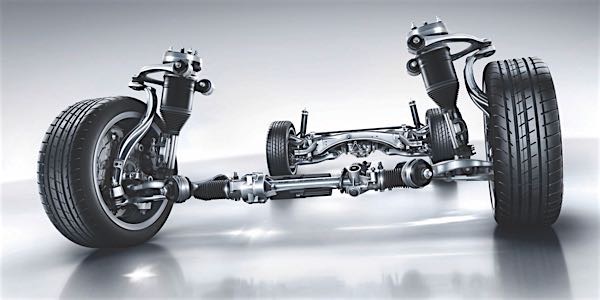
Luxury vehicles are known for their superior comfort, performance, and exquisite craftsmanship. A critical component that contributes to these qualities is the suspension system. This intricate network of springs, shock absorbers, and linkages ensures that a vehicle maintains optimal contact with the road surface, providing a smooth and stable ride. However, like any vehicle component, suspensions can wear out or become damaged over time, necessitating repairs and maintenance. Understanding the intricacies of suspension repair for luxury vehicles can help vehicle owners maintain their investment and enjoy the premium driving experience they expect.
Understanding Suspension Systems in Luxury Vehicles
The suspension system in luxury vehicles is designed to offer a perfect balance between comfort and handling. It typically includes:
- Shock Absorbers: These dampen the impact of road irregularities.
- Struts: A structural part of the suspension system that combines the spring and shock absorber into a single unit.
- Springs: These support the weight of the vehicle and absorb shocks from bumps in the road.
- Control Arms: Connect the vehicle’s wheels to the frame and allow for smooth up and down movement.
- Stabilizer Bars: Reduce body roll during cornering.
These components work together to ensure a smooth ride, but they are also subject to wear and tear. Understanding their function can provide insight into potential issues that may arise. Explore further insights here.
Common Suspension Issues in Luxury Vehicles
Luxury vehicles, despite their advanced engineering, can experience common suspension issues. These include:
- Uneven Tire Wear: Often a sign of misaligned suspension components.
- Vibrations: Felt through the steering wheel or seat, indicating potential suspension problems.
- Nose Diving: The front of the vehicle dips down during braking, suggesting worn shock absorbers or struts.
- Pulling to One Side: The vehicle drifts to one side when driving straight, which may point to alignment issues.
Addressing these issues promptly can prevent further damage and costly repairs. Learn more in this detailed guide.
Steps in Suspension Repair
1. Inspection and Diagnosis
The first step in suspension repair is a thorough inspection and diagnosis. Skilled technicians will examine each component for signs of wear, damage, or malfunction. They will also check for leaks in hydraulic components and test the alignment.
2. Component Replacement
Once the issues have been identified, the necessary parts are replaced. This could include replacing worn-out shock absorbers, struts, or springs with high-quality components to restore the vehicle’s ride quality.
3. Alignment
Proper alignment is crucial for the performance and longevity of the suspension system. After replacing components, technicians ensure all parts are correctly aligned to manufacturer specifications. Read more about this topic.
4. Testing
After repairs, the vehicle undergoes rigorous testing to ensure the suspension system is functioning correctly. This includes road testing to evaluate ride quality and handling.
Preventive Maintenance Tips
Regular maintenance can extend the life of a luxury vehicle’s suspension system:
- Schedule regular inspections to catch issues early.
- Rotate tires and check alignment every 10,000 miles.
- Replace worn components with quality parts.
- Keep tires inflated to the recommended pressure.
Consistent maintenance not only enhances the vehicle’s performance but also ensures safety on the road. Find additional information here.
Conclusion
Suspension systems in luxury vehicles are intricate and require specialized attention to maintain their performance and comfort levels. Understanding the components, recognizing common issues, and following a disciplined maintenance routine can ensure that a luxury vehicle remains a joy to drive. Regular inspections and timely repairs are key to preserving the superior quality that luxury vehicles are known for. For more insights into maintaining such systems, explore further insights here.