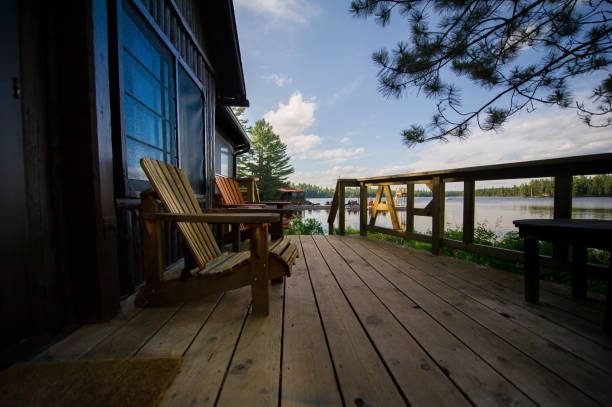
Wooden piers have long been a staple of waterfront landscapes, offering both functionality and aesthetic appeal. These structures serve as quintessential elements in various settings, from serene lakesides to bustling marinas. The charm of wooden piers is undeniable, blending seamlessly with natural surroundings while providing a sturdy platform for myriad activities. This article delves into the unique beauty and resilience of wooden piers, exploring their design intricacies, longevity, and their role in enhancing scenic vistas.
The Timeless Appeal of Wooden Piers
Wooden piers are not just functional structures; they are also architectural masterpieces that reflect the skill and creativity of their builders. The allure of wooden piers is rooted in several factors:
- Natural Aesthetic: Wood, as a material, exudes warmth and blends harmoniously with natural settings. Its organic texture and color variations enhance the visual appeal of waterfront areas.
- Versatile Design: Wooden piers can be customized to suit specific needs, whether for recreational purposes, fishing, or as a docking point for boats.
- Environmental Integration: Unlike concrete or steel, wood is a renewable resource. It can be sourced sustainably, minimizing environmental impact.
- Historical Charm: Many wooden piers have historical significance, serving as landmarks that connect the past with the present.
Engineering and Construction
The construction of wooden piers involves meticulous planning and engineering. Key considerations include site assessment, material selection, and design specifications.
Site Assessment
Before construction begins, a thorough site assessment is essential. Factors such as water depth, tidal patterns, and soil conditions are evaluated to ensure the pier’s stability and longevity. This process helps in determining the appropriate design and materials.
Material Selection
Choosing the right type of wood is crucial for the durability of the pier. Commonly used woods include:
- Pressure-Treated Pine: Known for its resistance to rot and insects, making it a popular choice for piers.
- Teak: Offers natural oils that repel water and pests, though it is more expensive.
- Cedar: Provides a natural resistance to decay and has a beautiful finish.
Design Specifications
Designing a wooden pier involves calculating load requirements, spacing of pilings, and deck dimensions. The design process ensures that the structure can withstand environmental stresses, such as wind and waves, while remaining functional and safe for users.
Ensuring Durability
The longevity of wooden piers depends on regular maintenance and the implementation of protective measures. Here are some strategies to enhance durability:
- Regular Inspections: Conduct routine checks for signs of wear, such as cracks, splinters, or loose fasteners.
- Protective Coatings: Apply waterproof sealants or stains to prevent water damage and UV degradation.
- Proper Ventilation: Ensure adequate airflow to prevent moisture buildup, which can lead to rot.
- Prompt Repairs: Address any damage promptly to prevent it from worsening.
The Role of Wooden Piers in Enhancing Scenic Vistas
Beyond their functional utility, wooden piers play a significant role in enhancing the scenic beauty of waterfronts. They serve as gathering places for social events, venues for breathtaking sunset views, and platforms for various water activities. Their presence adds character and charm to the landscape, creating memorable experiences for visitors and residents alike.
In conclusion, wooden piers seamlessly combine aesthetic appeal with functional durability. Their timeless nature and versatility make them a preferred choice for diverse waterfront applications, providing both a structural and scenic advantage. For those interested in exploring, investing in, or simply appreciating the beauty of wooden piers, these structures continue to offer unparalleled charm and reliability.